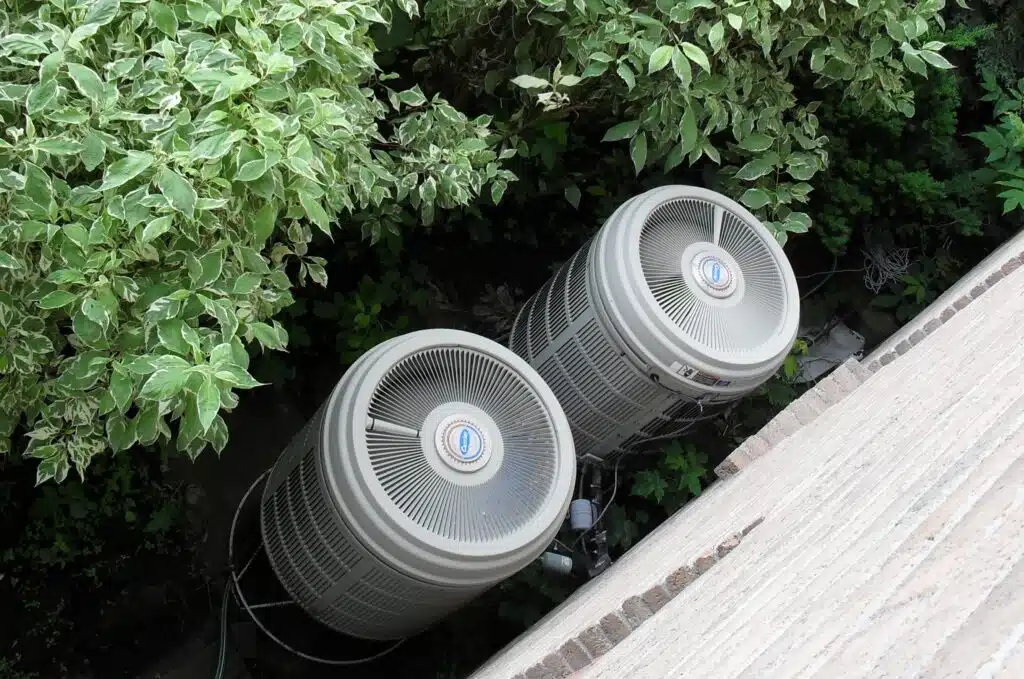
Baseline noise measurements play a crucial role in planning applications and environmental impact assessments, such as when determining the impacts of heat pump noise. Accurate measurements set a solid foundation for identifying potential noise issues in residential and commercial projects. Yet, many mistakes can creep into the measurement process. Errors in data collection or interpretation could lead to costly project delays or planning refusals.
This article highlights five common mistakes people make during baseline noise measurements and explains how you can avoid them.

Mistake 1: Incorrect Equipment Choice
Choosing the wrong equipment can compromise the accuracy of baseline noise measurements. Sound level meters differ significantly in quality, capability, and suitability for specific scenarios. Selecting inappropriate gear often leads to inaccurate results.
How to Avoid It:
- Always use calibrated and certified sound level meters.
- Choose Class 1 instruments for precise measurements required in environmental assessments.
- Check equipment regularly for calibration accuracy, before starting measurements.
Mistake 2: Poor Baseline Noise Measurements Location
Baseline noise measurements must reflect the actual noise environment of the proposed site. Such as selecting poor locations such as near walls, trees, or heat pump units can produce skewed data. For instance, measuring noise levels too close to heat pump installations can amplify noise readings significantly.
How to Avoid It:
- Conduct measurements away from reflective surfaces like walls, fences, or trees.
- Identify and document all existing noise sources, such as heat pump noise, before selecting your measurement location.
- Position equipment at recommended heights (typically around 1.2 to 1.5 meters above ground level).
Mistake 3: Insufficient Baseline Noise Measurements Duration
Noise levels vary throughout the day and night. Taking measurements over short periods may miss significant noise fluctuations. These inaccuracies can create future issues with compliance or planning approvals.
How to Avoid It:
- Perform baseline noise measurements over representative periods, often at least 24 hours.
- Include measurements during peak and off-peak times.
- Note special events or irregular activities that could affect ambient noise levels.
Mistake 4: Ignoring Weather Conditions
Weather plays an important role in baseline noise measurements. Wind, rain, or extreme temperatures can greatly impact the quality of your data. Measuring during windy conditions, for example, often generates distorted results due to wind-induced noise.
How to Avoid It:
- Avoid conducting measurements during poor weather conditions.
- Always document weather conditions during each measurement session.
- Ensure wind speeds remain below recommended limits (typically less than 5 meters per second).
Mistake 5: Misinterpreting the Data
Collecting accurate baseline noise measurements is only half the job. Misinterpreting the data or overlooking critical factors, such as distinguishing background noise from operational noise (if applicable), can severely impact your conclusions. For example, mistaking heat pump noise for ambient noise could result in inadequate mitigation measures.
How to Avoid It:
- Clearly separate background noise from specific sources, such as traffic or heat pump noise, in your reports.
- Consult acoustic experts if unsure about interpreting data.
- Cross-reference your measurements with existing guidelines and standards.
Why Baseline Noise Measurements Are Crucial
Accurate baseline noise measurements protect your project from unforeseen challenges. They ensure compliance with local planning authorities, reducing the risk of complaints or project delays. By avoiding these common mistakes, you save time, cost, and reputation.
The Importance of Identifying Specific Noise Sources for Baseline Noise Measurements
Specific noise sources, like heat pump noise or nearby road traffic, can heavily influence baseline data. Accordingly, identifying these sources ensures that your noise assessment provides meaningful, actionable insights. Such clarity allows for targeted mitigation strategies, creating quieter, more sustainable environments.
Best Practices Checklist for Baseline Noise Measurements
Follow this brief checklist for successful baseline noise measurement campaigns:
- ✅ Use high-quality, calibrated Class 1 sound level meters.
- ✅ Avoid reflective surfaces and known noise sources like heat pumps.
- ✅ Measure continuously over recommended timeframes.
- ✅ Monitor and record relevant weather conditions.
- ✅ Clearly distinguish between ambient and specific operational noises in your report.
When to Call an Acoustic Consultant
If baseline noise measurement seems complex or you’re unsure about your methodology, it’s wise to call in an acoustic consultant. An experienced consultant simplifies the process, providing accurate data collection, professional interpretation, and clear reporting. Investing early saves you resources and headaches later.
Conclusion
Baseline acoustic measurements provide essential data that supports successful planning and environmental applications. By avoiding common mistakes, such as poor equipment selection, insufficient measurement duration, and misinterpreting data. You can achieve accurate, reliable results. Remember, understanding specific noise sources like heat pump noise also contributes significantly to the quality of your acoustic assessment.
When in doubt, collaborate with a professional acoustic consultancy to ensure your project gets it right the first time.