
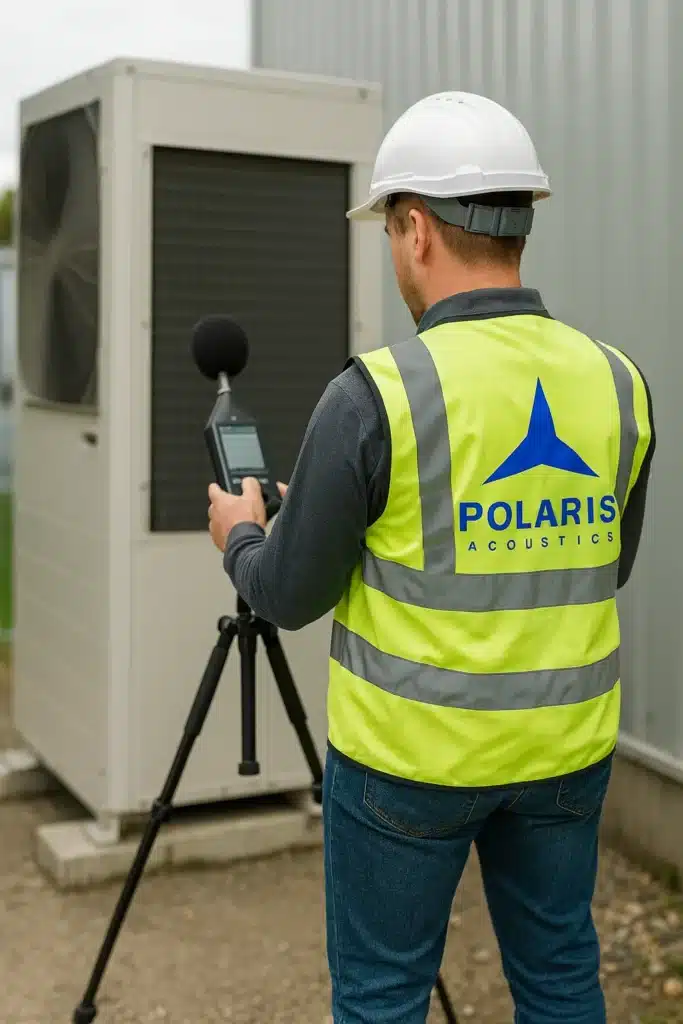
At Polaris Acoustics, we provide Noise Impact Assessments (NIAs) to support residential and commercial planning applications throughout the United Kingdom.
Whether you’re developing new homes, installing external plant, or converting existing buildings, our reports ensure your proposals comply with BS 8233, BS 4142, and ProPG guidance. Giving planning officers and Environmental Health Officers the confidence needed to approve your scheme.
No obligation • Reports Accepted by UK Councils & Planning Authorities
A Noise Impact Assessment (NIA) is a technical report prepared in support of a planning application to assess how noise may affect, or be affected by, a proposed development.
Local planning authorities typically require an NIA where there is potential for noise to adversely impact residential amenity. For example from nearby road or rail traffic, industrial or commercial activities, or proposed mechanical plant and equipment.
At Polaris Acoustics, we undertake robust, evidence-based assessments that establish baseline sound levels, predict future noise exposure, and determine whether a proposal complies with relevant British Standards and planning policy.
Our Noise Impact Assessments are typically undertaken with reference to:
BS 8233:2014 — Guidance on sound insulation and noise reduction for buildings
BS 4142:2014+A1:2019 — Methods for rating and assessing industrial and commercial sound
BS 5228-1:2009+A2:2018 — Noise and vibration control on construction and open sites
ProPG: Planning & Noise (2017) — Professional Practice Guidance on Planning & Noise
These documents provide the framework for an objective, defensible assessment, enabling planning officers and Environmental Health Officers to make informed decisions.
In simple terms: a Noise Impact Assessment demonstrates that a development will not give rise to unacceptable noise impacts, nor be unreasonably affected by existing noise sources. As such, it is a key component in securing planning approval and avoiding unnecessary delays or requests for further information.
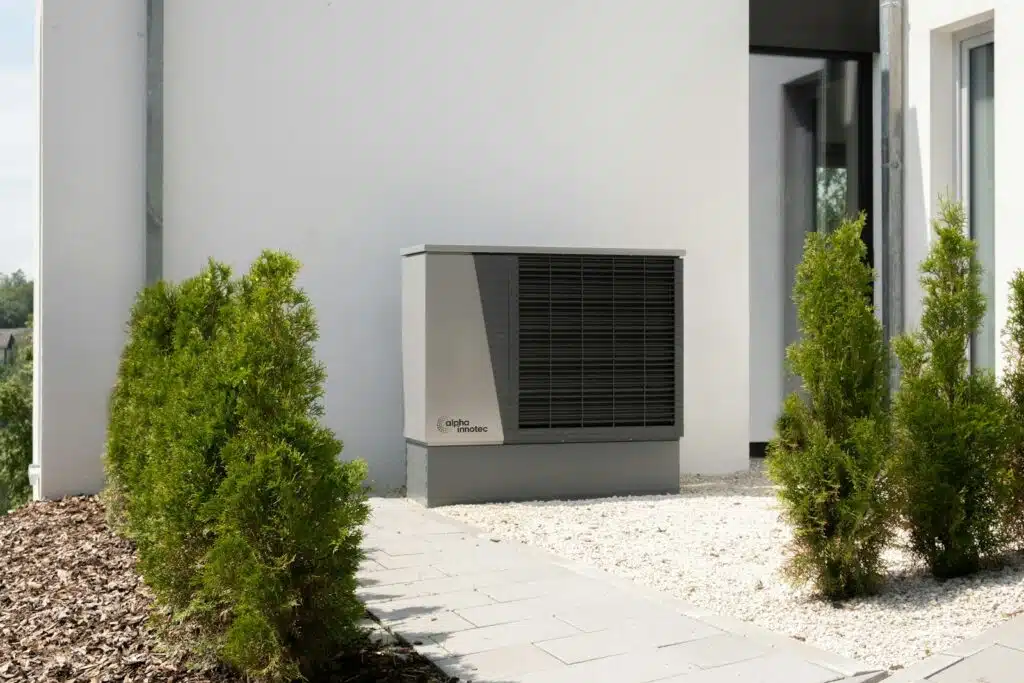
Local Planning Authorities (LPAs) or Councils frequently request a Noise Impact Assessment whenever a development could create, change, or otherwise be affected by noise. By providing a noise impact assessment, the levels of noise can be quantified and can help provide certainty that any impacts, effects and complaints of noise would be avoided, mitigated and minimised.
Required When
Developing new or refurbing residential developments next to busy roads, railway lines and/or industrial noise sources.
Primary Standards
BS 8233, ProPG, BS 4142, ISO 9613-2
Required When
Converting offices to residential use, adding flats above shops, or introducing commercial space within a residential area.
Primary Standards
BS 8233, ProPG, BS 4142, ISO 9613-2
Required When
Installing air-conditioning or air handling units, ASHPs, condensers, chillers, mechanical extract systems, electrical substations.
Primary Standards
BS 4142, NANR45, CIBSE B4
Required When
Carrying out demolition, piling or construction near noise sensitive premises, such as offices, homes and schools.
Primary Standards
BS 5228-1, BS 5228-2
Required When
Adding or modifying mechanical equipment, fans and/or exhaust systems that could alter external sound emissions.
Primary Standards
BS 4142, ISO 9613-2
Required When
A planning condition, complaint or planning enforcement notice requires evidence-based demonstration of the noise levels.
Primary Standards
BS 8233, BS 4142, BS 5228, ISO 9613-2
Our assessments follow the latest British standards, guidance and local planning requirements. Our acoustic consultants also keep up to date with the latest and emerging scientific research to ensure clear, evidence-based reports that make planning approval straightforward.
No obligation • Reports Accepted by UK Councils & Planning Authorities
We regularly undertake 24-hour to week-long attended, or unattended noise measurement surveys using sound level meters supplied by Acoustic1 and manufactured by ACOEM, fully traceable and laboratory calibrated to IEC 61672-1 standards for Class 1 measurement systems.
During the baseline noise survey, acoustic data is obtained to establish the ambient, maxima and statistical sound levels. All supported by meteorological logging and field calibration.
Using industry software and methods (including BS 4142:2024, ISO 9613-2:2024, and BS 5228), we model sound propagation and assess tonal or intermittent characteristics.
Predicted rating levels are compared with measured background noise to determine the potential impact and compliance margin.
Outcome: quantified results suitable for submission to Environmental Health Officers and planners.
Each report includes a clear summary of findings, visual charts, and bespoke noise mitigation design recommendations such as:
Glazing and ventilation specifications in line with BS 8233 and ProPG
Acoustic barrier or louvre designs
Plant screen performance and site layout advice
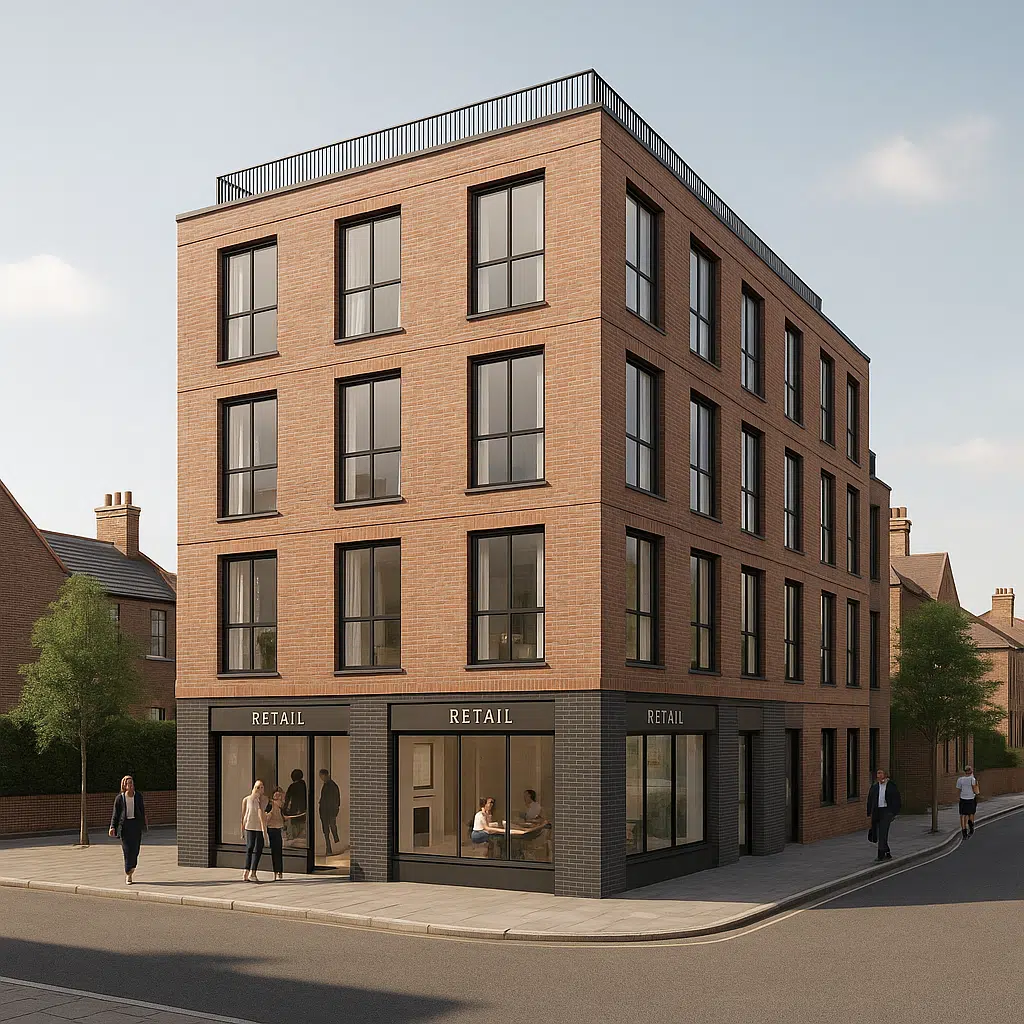
Polaris Acoustics was appointed by Harrison & Cole Developments to undertake a Noise Impact Assessment for a new five-storey mixed-use scheme in the City of Westminster, comprising ground-floor retail (with potential restaurant use) and four residential levels above. The work was required to discharge a planning condition following Environmental Health Officer comments concerning potential plant noise and sound transmission between the commercial and residential elements.
A 24-hour baseline survey was completed using a Class 1 ACOEM Fusion 4G SLM to IEC 61672-1 standards. Analysis applied BS 8233, BS 4142, and Westminster’s enhanced criterion requiring the rating level to be 10 dB below background. Predictive modelling in ISO 9613-2:2024 guided the final design. Measured backgrounds were 46 dB LA90,day and 38 dB LA90,night, setting assessment limits of 36 dB LAr,Tr day and 28 dB LAr,Tr night, including +5 dB for tonality and intermittency.
Key mitigation measures included:
Relocating plant to the rooftop and within a rear plant room fitted with acoustic louvres
Uprated glazing and System 3 (MEV) ventilation under Approved Document F
Enhanced floor build-up to reduce structure-borne transmission
Despite tight access, weekend monitoring, and a fast-track submission, the condition was discharged without further comment. The project showcased Polaris Acoustics’ ability to deliver bespoke, policy-aligned mitigation within one of the UK’s most demanding planning contexts.
Project Reflection: The Westminster development provided an opportunity for Polaris Acoustics to design bespoke, performance-driven noise mitigation solutions, balancing commercial flexibility with high residential amenity — a hallmark of our planning-stage acoustic consultancy.
Polaris Acoustics was appointed by a leading petrochemical refinery operator to undertake a Noise Impact Assessment in support of a proposed stack installation within an active refinery site. The assessment was required to evaluate the potential increase in external noise emissions from the new stack and associated plant, with particular consideration of residential receptors located approximately 300 metres away.
A 24-hour baseline noise survey was undertaken using a Class 1 ACOEM Fusion 4G sound level meter in accordance with IEC 61672-1 standards. Measurements were analysed in line with BS 4142:2024 – Methods for rating and assessing industrial and commercial sound, using long-term LA90 background sound levels to determine the rating level criteria for the proposed installation.
Through predictive noise modelling, the sound power of the proposed stack was assessed, including tonal and broadband components. The final design incorporated a bespoke acoustic attenuator and optimised stack height, ensuring the BS 4142 rating level remained below the existing background sound level at the nearest dwellings.
Complementary analysis following the IEMA (2014) Environmental Noise Impact Guidelines confirmed that the absolute change in ambient noise levels from the new plant would be +0.4 dB, which represents an insignificant, negligible impact in perceptual and planning terms.
Included Key Mitigation Measures:
Integration of a custom-designed stack silencer to attenuate broadband and low-frequency emissions
Adjustment of stack height to enhance dispersion and minimise ground-level propagation
Refinement of operational schedules and noise management plans to avoid cumulative tonal interactions with adjacent plant
Despite the site’s complexity and active industrial environment, the assessment demonstrated full compliance with BS 4142 and IEMA impact criteria, allowing the proposal to proceed without objection from the Environmental Health Authority.
Project Reflection: This project exemplified Polaris Acoustics’ capability to deliver precision industrial noise impact assessments within complex environments. By combining BS 4142 analysis, IEMA (ISEP) guidance interpretation, and bespoke acoustic design, we enabled the client to progress their process upgrade with complete regulatory confidence.

Polaris Acoustics was appointed to undertake a Noise Impact Assessment (NIA) in support of a proposed residential development within Southampton, Hampshire. The site was located in an urban environment influenced by road traffic, rail, existing commercial activity, and the wider city soundscape typical of South Coast regeneration areas.
Polaris Acoustics undertook a comprehensive, planning-led assessment in accordance with current national guidance, comprising:
A 24-hour baseline environmental noise survey, undertaken using a Class 1 sound level meter in accordance with IEC 61672-1
Identification and characterisation of dominant noise sources, including road traffic and local commercial activity
Assessment of internal and external noise levels with reference to BS 8233:2014
Application of the ProPG: Planning & Noise (2017) framework, including a Stage 1 noise risk assessment and Stage 2 Acoustic Design Statement
The assessment demonstrated that a good standard of residential amenity could be achieved through early integration of acoustic design, including:
Optimisation of site layout to locate noise-sensitive rooms on quieter façades
Enhanced glazing specifications to achieve compliance with BS 8233 internal noise criteria
Use of mechanical ventilation to avoid reliance on open windows in higher-noise locations
These measures ensured compliance with national guidance without imposing unreasonable constraints on the development.
Project Reflection: The Noise Impact Assessment concluded that the proposed development was acceptable in principle in respect of noise, subject to standard planning conditions to secure detailed acoustic mitigation at Reserved Matters stage. The assessment was accepted by the Local Planning Authority, enabling the application to progress without delay.
This project highlights Polaris Acoustics’ experience delivering planning-focused Noise Impact Assessments in Southampton and across Hampshire, supporting residential development within complex urban noise environments.

Here are some of the most common questions clients ask when arranging a Noise Impact Assessment for planning. These answers are based on current UK standards including BS 8233, BS 4142, and ProPG, helping you understand what’s required before, during, and after the survey.
Have a question that isn’t listed?
The typical Noise Impact Assessment for planning takes around 5–10 working days from the date of the site survey. A baseline noise survey can normally be conducted within 1-2 weeks from instruction.
This includes a 24-hour baseline noise survey, data analysis in accordance with BS 8233, BS 4142, and ProPG, and preparation of a planning-ready report.
Timescales can vary depending on project complexity, local authority requirements, and weather conditions needed for accurate measurements.
The cost of a Noise Impact Assessment for planning depends on factors such as site location, survey duration, and project complexity.
Fees include any minor amendments, and any associated costs with completing the noise assessment.
For most small residential or commercial developments, prices typically range between £1,200 and £2,800+, including a baseline noise survey, full analysis to applicable standards and guidance, such as BS 8233, BS 4142, and ProPG standards, and a detailed planning-ready report.
Larger or multi-site projects may require extended measurements, additional measurement positions, or additional modelling, which can increase the our fees slightly.
Have a specific budget to complete a noise assessment? Please do get in touch to discuss your project with us and to see how we can assist.
Yes — we can provide a fast-track Noise Impact Assessment for planning applications when required.
Turnaround times always depend on the scope and complexity of the project, as well as weather conditions needed to complete a baseline noise survey to BS 8233 and BS 4142 standards.
For time-sensitive applications, Polaris Acoustics offers expedited Noise Impact Assessment services at an additional cost, ensuring you receive a fully compliant report within a shorter timeframe to support any time constraints for your planning submission.
Speak to an experienced acoustic consultant today for a fast, free quote. Our team provides clear, professional advice to help you meet planning requirements quickly and efficiently. Get in touch now to find out how our acoustic consultants can support your project with a tailored noise impact assessment for planning — anywhere in the UK.