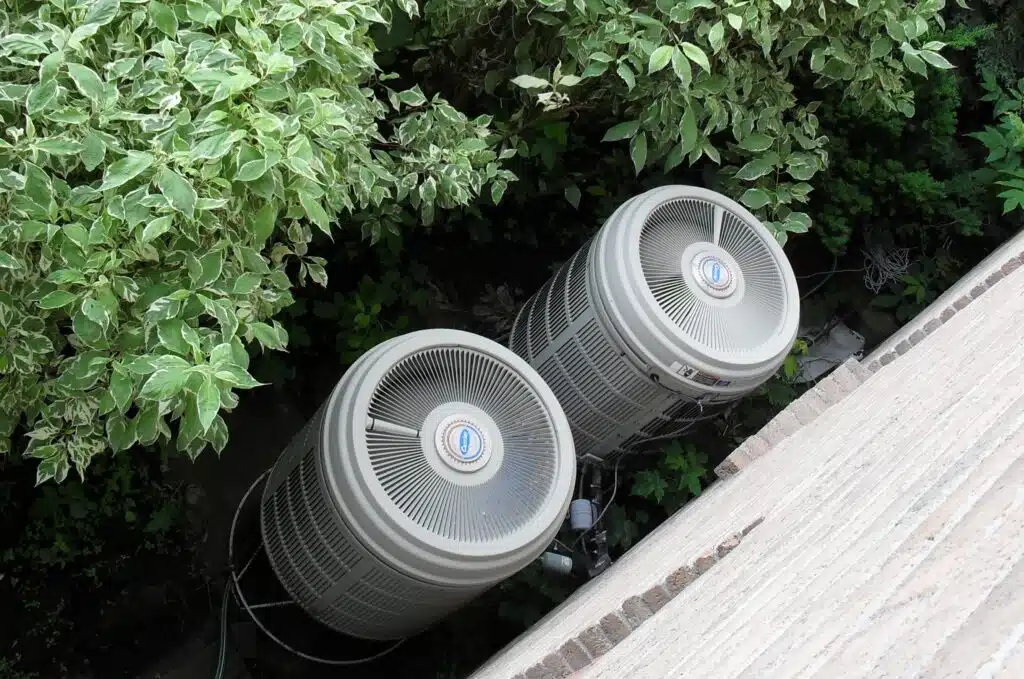
If you’re planning a commercial or industrial development near existing residential areas, a BS4142 noise assessment could be essential. This standardised acoustic evaluation helps determine whether noise from a new or existing development is likely to cause complaints. In the UK, local authorities frequently request a BS4142 noise assessment as part of planning applications. Understanding what this assessment involves—and why it matters—can make the difference between a smooth approval process and costly delays.

What Is a BS4142 Noise Assessment?
A BS4142 noise assessment is an acoustic analysis based on British Standard 4142:2014+A1:2019, which provides methods for rating and assessing industrial and commercial sound. The standard is used to evaluate how noise from sources such as factories, warehouses, HVAC systems, or industrial plants might impact nearby residents or sensitive premises.
At its core, the BS4142 method compares:
- The background sound level—the typical ambient noise without the source in question.
- The rating level—the specific noise level from the commercial or industrial source, adjusted for any distinguishing acoustic characteristics.
The difference between these levels helps predict how likely it is that the noise will be perceived as disturbing or intrusive.
Key Principles of BS4142
The assessment considers:
- Noise type (intermittent, continuous, tonal, impulsive)
- Time of day
- Distance to the receptor
- Topography and barriers
A positive difference (rating level exceeds background sound level) indicates a greater likelihood of adverse impact.
Why Is a BS4142 Noise Assessment Important?
Local planning departments rely heavily on BS4142 assessments to make informed decisions. The data helps them determine:
- If a proposed development could lead to noise complaints.
- Whether mitigation measures are necessary.
- How the noise might affect community wellbeing.
A poorly managed noise impact can harm public health, lower property values, and strain relationships between businesses and local residents. According to the World Health Organization (WHO), long-term noise exposure can lead to cardiovascular issues, sleep disturbance, and cognitive impairment in children (WHO, 2018).
When Is a BS4142 Assessment Required?
You’ll typically need a BS4142 noise assessment in these scenarios:
- New commercial or industrial developments near homes
- Modifications to existing industrial processes or equipment
- Change of use applications (e.g., converting a warehouse into a processing facility)
- Installation of mechanical plant such as air conditioning or extraction units
Many councils make this a pre-commencement condition, meaning development can’t proceed until the assessment has been approved.
How Is a BS4142 Noise Assessment Carried Out?
A qualified acoustic consultant conducts the BS4142 assessment. The process generally includes:
1. Site Visit and Background Noise Monitoring
Sound levels are measured over an appropriate period—often daytime and night-time—to capture a representative sample of the existing environment. These are usually taken at or near noise-sensitive receptors, such as homes or schools.
2. Sound Source Modelling
The proposed or existing source is modelled using data from:
- Manufacturer specifications
- On-site measurements (if already installed)
- Predictive acoustic software
3. Assessment of Acoustic Features
The consultant will assess if the sound has tonal, impulsive, or intermittent features. These characteristics can make noise more noticeable and are subject to penalty adjustments under BS4142.
4. Final Rating and Impact Assessment
Using the collected data, the rating level is calculated and compared to the background level. The likely impact is then assessed:
- +10 dB or more: Likely significant adverse impact
- +5 dB: Adverse impact
- 0 dB or less: Low impact or no observed effect
These thresholds guide whether mitigation is required.
What Factors Influence the Outcome?
Several key elements can sway the results of a BS4142 noise assessment:
- Ambient sound variability: A quiet rural setting might show a greater contrast than a busy urban area.
- Operating hours: Night-time noise often has more severe implications due to lower background levels.
- Receptor sensitivity: Schools, hospitals, and residential dwellings are more sensitive than commercial spaces.
- Acoustic corrections: Tonality or impulses can lead to rating level penalties of 2 to 6 dB.
Mitigating Noise Impact
If the BS4142 noise assessment reveals a potential problem, don’t worry—there are several ways to reduce noise impact:
- Acoustic enclosures around machinery
- Silencers or attenuators on ventilation systems
- Relocation of noise sources away from sensitive boundaries
- Installation of barriers or bunds
- Time restrictions on operations
A skilled consultant can recommend the most cost-effective and practical solutions.
Common Misconceptions About BS4142 Assessments
Let’s clear up a few myths:
- “It’s just a formality.”
Not true. Many planning applications are delayed or refused due to inadequate noise assessments. - “The equipment is quiet, so no need to assess.”
Even low-level or intermittent noise can cause disturbance, especially in quiet environments. - “You only need one reading.”
BS4142 requires representative measurements, often over several hours or even days. - “We can do it ourselves.”
Unless you’re a trained acoustician with Class 1 sound level meters and full knowledge of the standard—probably not.
Related Standards and Alternatives
While BS4142 is tailored for industrial and commercial sources, other standards may apply:
- BS 8233:2014 – for sound insulation and noise reduction in buildings
- WHO Environmental Noise Guidelines – for long-term health exposure
- ProPG: Planning & Noise – joint guidance for noise-sensitive developments
Each serves a different role but can often complement a BS4142 noise assessment.
How to Get a BS4142 Assessment
To ensure the highest chance of planning success:
- Engage an accredited acoustic consultant early in your planning.
- Provide detailed site plans and equipment specs.
- Be open to mitigation suggestions.
Our consultancy specialises in BS4142 noise assessments across the UK. We deliver clear, jargon-free reports designed to meet local authority requirements and avoid unnecessary delays.
Conclusion: Why BS4142 Matters
A BS4142 noise assessment isn’t just a bureaucratic tick-box. It’s a powerful tool that protects communities, supports sustainable development, and reduces the risk of objections. By understanding what the assessment involves—and what’s at stake—you can approach your project with confidence.
Have you had experience with BS4142 assessments in your planning process? Share your thoughts or questions in the comments—we’d love to hear from you.