
TL;DR: If your proposed scheme is noise sensitive (e.g., new homes) or noise generating (e.g., plant, kitchens, delivery yards), you’ll likely need a noise assessment to support planning. A robust report will reference the correct standards (e.g., BS 8233:2024, ProPG, BS 4142, and BS 5228), use representative monitoring (day & night, or alternative periods where relevant), model future conditions, and set clear, buildable mitigation.
This guide explains what councils expect, how assessments are carried out, common pitfalls, and how to get approval first time and avoid costly delays.
What is the Purpose of a Noise Assessment?
A noise assessment (also called a noise survey or acoustic assessments) typically evaluates either:
- how existing environmental noise (roads, rail, industry, entertainment) may affect your proposed development, or
- how your proposed development may affect nearby receptors (homes, schools, hospitals, etc.).
In planning, the noise assessments demonstrate whether design proposals achieve acceptable internal and external sound levels and whether any mitigation (glazing, ventilation strategy, barriers, layout) is needed. This is often in reference to the National Planning Policy Framework (NPPF) and Noise Policy Statement for England (NPSE)
Common use-cases
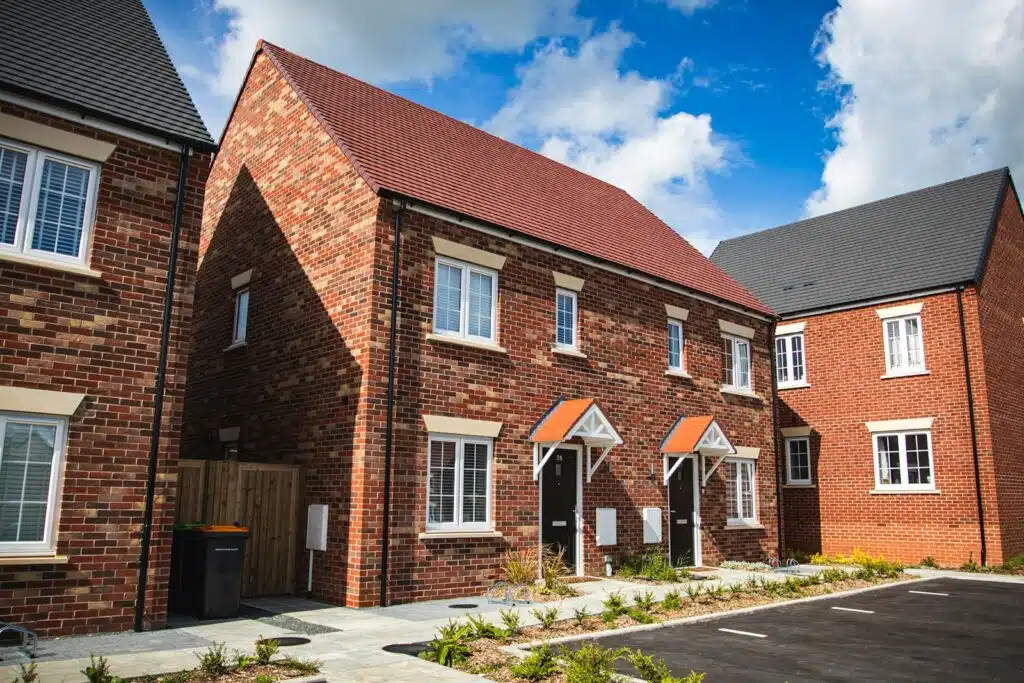
- New residential near transport corridors (e.g. roads/rail/air)
- Mixed-use (e.g. flats over or adjacent to shops, restaurants, gyms)
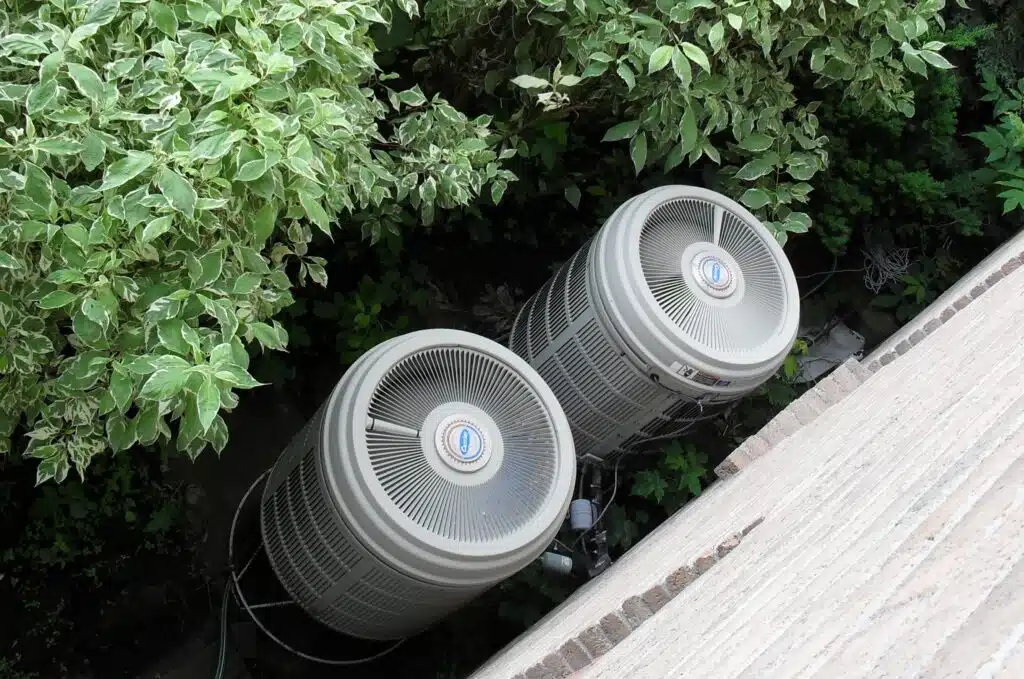
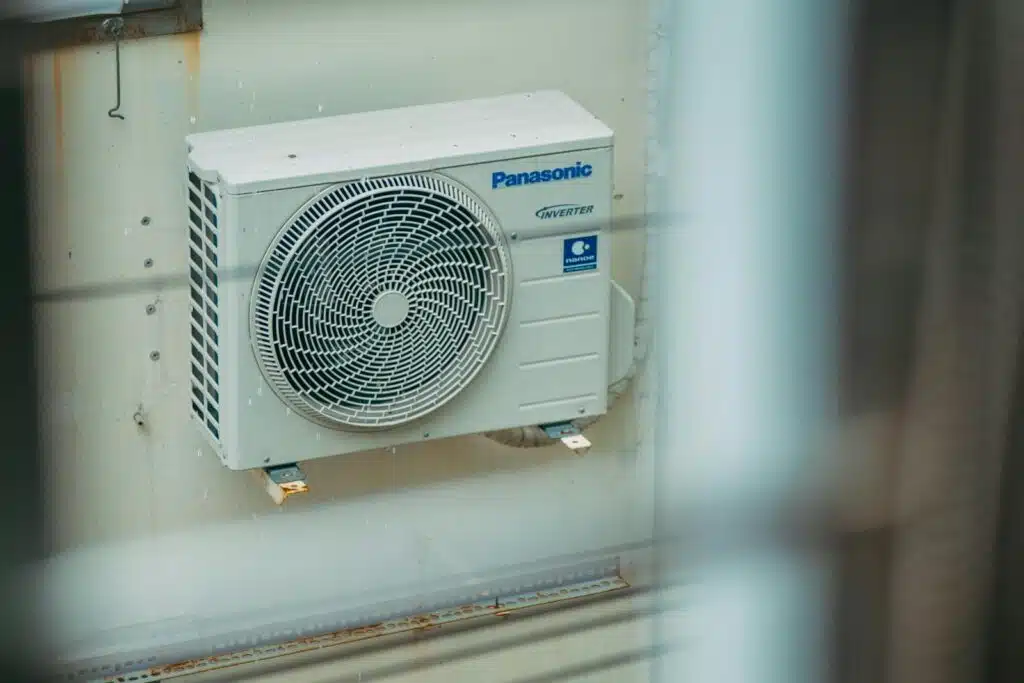
- Plant noise, such as condensers, ASHPs, chillers, fans, kitchen extract (impact on neighbours)
- Entertainment noise (e.g. music breakout & structure-borne transfer)
- Construction (e.g. temporary works, phasing and noise control)
Which Standards, Guidance and Planning Policy Apply?
An environmental noise survey or noise assessment report should reference the relevant guidance for the given scheme type:
- BS 8233:2014 – Sound insulation and noise reduction for buildings (Guide): sets guideline indoor and externalsound levels (living rooms, bedrooms, gardens) and links façade performance to ventilation strategy (openable windows vs alternative ventilation).
- ProPG: Planning & Noise (new residential): a two-stage risk-based approach and an Acoustic Design Statement; emphasises layout/orientation and quiet side. This is normally used alongside BS 8233.
- BS 4142 (industrial/plant): rates specific sound vs background (LA90); includes character penalties for tonality, impulsivity, intermittency; uses context.
- BS 5228 (construction): prediction/management of construction noise and vibration; informs CEMP commitments and community liaison.
- National policy: NPPF/PPG & NPSE provide the policy tests and definitions of LOAEL/NOAEL/SOAEL.
Not every document and methodology belongs in every noise impact assessment. Selecting the right standards for the development type is crucial. Particularly for less straightforward and more nuanced developments that may be either exposed to or generate multiple different sources of noise.
Noise Indices & Definitions
There are various noise indices that you may come across within a noise report for planning. Here are the most common indices:
- LAeq,T – time-averaged sound level over period ‘T‘. Used for overall exposure and façade incident levels.
- LAFmax (LAmax,F) – fast time-weighted maximum; key for night-time sleep disturbance checks.
- LA90,T – background level (the sound level that is exceeded for 90% of the time). Fundamental to BS 4142 noise impact assessment reports.
- DnT,w / Rw – insulation indices; always verify the acoustic performance for glazing and separating elements.
- LOAEL / NOAEL / SOAEL – policy descriptors used in NPSE/PPG when judging effects of noise and decisions.
The above indices are often linked to room functions, as well as other factors, such as ventilation and overheating. But simply, this helps break down data, such as from a baseline noise survey into a variety of metrics that a development site might be assessed against.
What Councils Expect in a Planning Noise Assessment Survey
A planning-ready report typically includes:
- Clear brief & site context (constraints plan, aerials, photos)
- Desk study (baseline sources, policy, proposed use, hours)
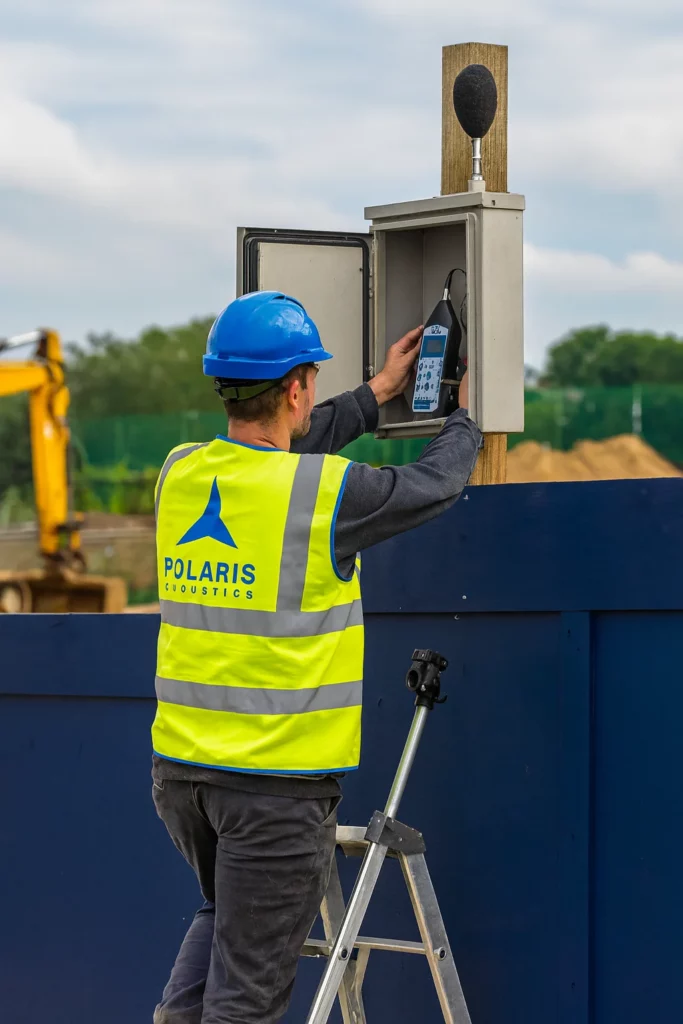
- Monitoring plan (positions, heights, calibration; Class 1 kit; day & night where relevant)
- Representative results (LAeq,T, LAFmax, spectra; weather screening; uncertainty)
- Assessment (BS 8233/ProPG internal & external; BS 4142 rating vs background; BS 5228 construction)
- Design-led mitigation (layout/orientation; quiet side; screening/barriers; glazing/ventilation spec; plant selection & controls)
- Compliance tables (before/after with residual risk)
- Plain-English conclusions tied to specific planning conditions you’re comfortable discharging
Additional Noise Assessment Survey Considerations
- Noise mapping (contours) for complex geometry
- Acoustic Design Statement (ProPG) for higher-risk residential sites
- Operational management notes (delivery hours, time-clocks, limiters)
How a Professional Acoustic Assessment is Delivered
- Scope & risk triage – pick standards and survey/modelling scope.
- Monitoring – unattended (or attended) logging at representative monitoring locations, plus attended spot checks.
- Source characterisation – supplier/manufacturer data for plant noise emissions; venue tests for music; traffic/rail datasets for transport sources.
- Prediction & modelling – façade incident levels and internal room levels by ventilation and overheating scenarios (windows open/part-open/closed with alternative ventilation).
- Mitigation design – iterate layout, barriers, glazing, ventilation system, plant controls, enclosures.
- Report & conditions – clear recommendations and any pre-commencement/prior-occupation testing conditions that might be discharged.
Methodology Deep-dive
Noise Survey Design That Stands Up to Scrutiny
- Positions & heights: Representative façades (e.g., bedrooms at 1st/2nd floor).
- Duration: 24–72 hours with at least one full night for residential risk. Extend where variability is high.
- Weather screening: Record wind/rain and other metrological data; exclude non-representative periods.
- Calibration & class: Pre/post field calibration checks stated; Class 1 measurement systems in accordance with IEC 61672, with up-to-date laboratory calibration certificates.
- Security & tamper-proofing: Discreet placement, enclosures, locks/covers; signage where needed.
Baseline Noise Survey Data Quality & Uncertainty
- Report meter class, environmental conditions and exclusions.
- State modelling tolerances and supplier-data assumptions for plant.
- Include an uncertainty statement (± dB) for key outcomes.
Ventilation & Overheating Linkage
- BS 8233:2024 targets must be considered with ventilation. If windows must be closed, specify alternative ventilation and address overheating alongside acoustics.
Noise Sensitive Façade Calculations
- Determine incident LAeq at façades (day/night).
- Select room-type internal targets.
- Fix scenario (open/part-open/closed with alternative ventilation).
- Calculate required octave-band attenuation.
- Choose glazing/frames/vents; check junctions & flanking; verify with supplier octave-band data.
BS 4142 Workflow (for Plant, Commercial & Industrial Noise Impacts)
- Establish representative LA90,T background by time period.
- Derive specific sound at receptor; apply character corrections → rating level.
- Compare rating to background; interpret with context (time of day, receptor sensitivity).
- Mitigation: quieter plant selection, enclosure/attenuation, speed/time controls, vibration isolation.
Construction Noise Impact Assessment (BS 5228) Essentials
- Predict per phase/activity; define CEMP controls (barriers, BPM, hours, liaison, monitoring).
- Include an exceedance protocol with contacts and response timelines.
- The above will provided a basis for construction noise monitoring.
Designing-in Noise Mitigation (that Planners Accept)
Site Planning & Building Form
- Stack non-habitable rooms to the noisy side; place habitable rooms to the quiet side.
- Use setbacks, podiums and returns to create acoustic shadow.
Façade & Ventilation Design
- Match glazing/frames to octave-band requirements (not just a single-figure Rw values).
- Choose ventilation strategy early: purge, background, whole-dwelling. If windows must be closed, specify alternative ventilation and address overheating.
Balconies & External Amenity Areas
- Prefer quiet-side private external amenity; where not possible, consider partial screens or winter-gardens.
- Developments in areas of high noise benefit from nearby (within a 5-minute walk) quiet parks and communal external amenity areas.
Plant Noise Controls
- Select quiet equipment; in-duct attenuators, anti-vibration mounts, speed controls, time schedules aligned to background.
Case Studies
Please see some recent case studies from 2025 below.

Residential masterplan – London Borough of Croydon
- Context: Adjacent A-road, LAeq,16h ≈ 68 dB; LAeq,8h ≈ 60 dB; frequent LAFmax events.
- Actions: 48-hr logging; ProPG ADS; quiet-side stacking; winter-garden; alternative ventilation.
- Outcome: Bedrooms ≤ 30 dB LAeq,8h / ≤ 45 dB LAFmax. Approved with conditions.

Retail plant – New Forest, Hampshire
- Context: Two condensers + kitchen extract near residential gardens and property.
- Actions: Character penalty for tonality; enclosure + in-duct attenuators; night curfew.
- Outcome: Rating 3 dB below background at nearest garden. No extra conditions.

Construction phase – Mixed-use block, Oxted, Surrey
- Context: Piling/superstructure near care home.
- Actions: BS 5228 predictions by phase; barrier siting; liaison pack; milestone checks; construction noise & vibration monitoring.
- Outcome: Within agreed thresholds; zero formal complaints to the developer or site management.
Timelines & Pricing (What Clients Should Expect)
- Lead-in: 1–3 working days to scope and mobilise (weather and access dependant).
- Monitoring: typically 24–72 hours (include at least one night, although can be up to 1-week).
- Reporting: 3–7 working days depending on complexity of the baseline noise survey and proposed scheme.
- Revisions/queries: allow time for developer/architect/EHO feedback.
Typical cost bands (guide only; request a fixed-fee quote)
- Small plant (single condenser/ASHP), desk + measurement, no mapping: £800–£1600
- New-build resi near A-road (monitoring + façade calc + mitigation spec): £1200–£2400
- Complex mixed-use with mapping/modelling and council liaison: £1600–£3200+
Common Pitfalls (and how to avoid them)
- Wrong standard (e.g., using BS 8233 for condenser noise to neighbours instead of BS 4142) → Match method to source & receptor.
- Under-monitoring (too short / poor weather) → Plan representative periods; log weather; show data coverage.
- Rw-only glazing specs → Design to octave-band requirements aligned with the ventilation strategy.
- No quiet side → Rebalance layout or add screens; justify amenity strategy clearly.
- Vague conditions → Propose enforceable, measurable conditions you can pass post-completion.
Frequently Asked Questions
Do I always need on-site monitoring?
Not always. Low-risk sites can be desk-based, but residential-adjacent schemes typically benefit from baseline noise survey data.
How long should monitoring run?
Providing that secure access can be provided, at least 24 hours (including a night). 48–72 hours improves representativeness where variability is high.
What if windows must be closed to meet targets?
This can be acceptable where justified, provided suitable alternative ventilation (and summer overheating strategy) is specified. However, this DOES NOT mean that windows must be sealed and can never be opened. It is considered good acoustic design to alway allow the occupant to have the option of opening windows.
Can MVHR replace openable windows?
MVHR helps to assist background ventilation. Purge ventilation still applies under the Building Regulations and often, overheating strategy. Therefore, windows are normally always openable.
What planning conditions should we expect?
Common conditions include: plant noise limits (often relative to background), implementation of façade/ventilation details, and post-completion verification testing.
How long does a noise assessment take?
Simple schemes can be reported within a week once monitoring is complete; larger or mixed-use sites may take longer due to modelling and iterations.
Do all applications need one?
No. Typically where a scheme is noise-sensitive and near sources of noise, or noise-generating and near to sensitive receptors.
What if baseline levels are high?
Good design usually finds a solution: adjust layout/massing, improve façade & ventilation, and create quiet amenity. For BS 4142 or assessing the impacts of a development on adjacent noise sensitive premises, high baseline noise levels can be of benefit to the noise assessment.
Noise survey vs noise assessment, what’s the difference?
A survey refers to measurement; an assessment includes interpretation against relevant standards plus mitigation and planning advice.
What info do you need to provide a quote?
Depending on the development, we typically require a red-line site plan, proposed use/class, storeys/units, any plant/kitchen proposals, and preferred timescales.
How Polaris Acoustics can help
We frequently produce planning-ready noise assessments with clear, buildable mitigation and fast turnaround times. Facing a tight validation deadline? We’ll triage site risk, advise the minimum necessary scope, and set a pragmatic route to compliance.
Don’t know if you actually need a noise assessment or survey? Unsure what the local planning authority might require in terms of assessing noise? Contact us today for a free quotation and free evaluation of your site and proposed scheme.
To start your assessment today:
- Email: contact@polarisacoustics.com
- or Complete our Contact Form
- UK-wide service (including Northern Ireland, Isle of Wight, Isle of Man, Crown Dependancies including the Channel Islands) with rapid mobilisation in London, South East, Hampshire, Surrey, Berkshire.