
Noise complaints remain one of the most frequent environmental issues across the UK. For many, noise disrupts daily life, disturbs sleep, and harms long-term health. Research now links chronic noise exposure to heart attacks, type 2 diabetes, and even dementia. Yet few understand what qualifies as a legal nuisance—or how to get help. This cornerstone guide explains everything: what counts as a statutory noise nuisance, how to involve environmental health, and what steps to take if you’re affected.

The Health Effects of Chronic Noise Exposure
Persistent noise isn’t just annoying—it causes genuine health risks. As a matter of fact, modern studies show that environmental noise disrupts both physical and mental wellbeing. How unbelievable is that?!
1. Heart Disease and Stroke
Chronic noise exposure increases the risk of cardiovascular conditions. Recently, a large UK Biobank study linked night-time aircraft noise with a fourfold rise in heart-related issues. Constant exposure during sleep disrupts natural rhythms and raises blood pressure—both key risk factors for heart attacks and strokes.
Source: UK Biobank study, 2021 (UK Biobank)
Source: Harvard School of Public Health, 2023 (Harvard)
2. Type 2 Diabetes
A Danish cohort study found that prolonged road traffic noise exposure raises the likelihood of developing type 2 diabetes. Accordingly, it was shown that noise triggers hormonal stress responses, which in turn affect insulin regulation.
Source: Environmental Health Perspectives, 2022
3. Dementia and Cognitive Decline
Researchers have connected traffic and rail noise with higher dementia rates, including Alzheimer’s disease. One Danish study tracked two million people and concluded that noise contributes to long-term cognitive harm—especially when combined with poor sleep.
Source: The Lancet Planetary Health, 2021
4. Wider Impacts on Wellbeing
Beyond disease, ongoing noise affects concentration, memory, mood, and social behaviour. Moreover, children exposed to traffic noise show lower reading scores. Additionally, adults report higher stress and poorer quality of life.
What Noise Complaints Count as a Statutory Noise Nuisance?
Under Section 79 of the Environmental Protection Act 1990, councils have a legal duty to investigate complaints about “statutory nuisance.” Noise becomes a nuisance when it:
- Unreasonably interferes with someone’s use or enjoyment of their home, or
- Harms health or is likely to do so
Example Noise Complaints That May Qualify
- Loud music played repeatedly, especially at night
- Dogs barking for extended periods, particularly in small gardens
- Construction or industrial equipment operating outside permitted hours
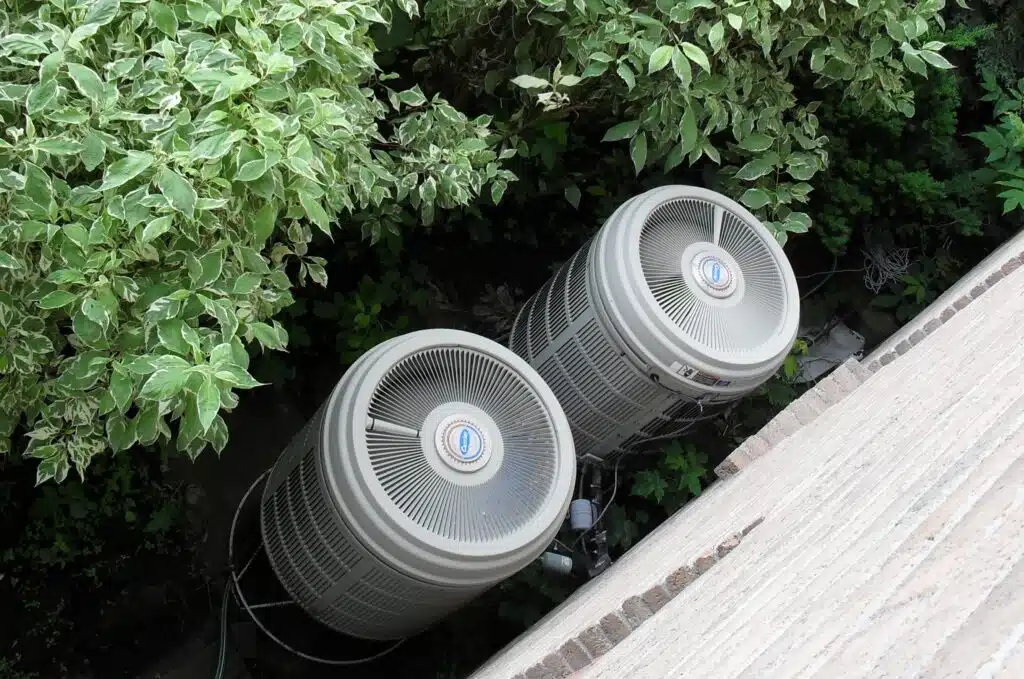
- Air conditioning or extraction fans causing continuous low-frequency noise
Examples That Don’t Usually Qualify
- Occasional parties or celebrations
- Everyday living noise (e.g. footsteps, talking, children playing)
- Road traffic, trains, and aircraft (unless it involves model aircraft)
- Political demonstrations or military activity
👉 For more details, see GOV.UK: Noise nuisances – how councils deal with complaints

Why the Police Can’t Help with Most Noise Complaints
Noise nuisance falls under the remit of environmental health departments, not the police. While police can act if violence, antisocial behaviour, or public order offences occur, they don’t handle residential noise unless it’s part of a criminal issue.
Always contact your local council’s Environmental Health team.
They have the legal authority to:
- Investigate complaints
- Install monitoring equipment
- Serve abatement notices
- Prosecute if the noise continues
👉 Find your local council here: GOV.UK: Find your local council
How the Environmental Health Process Works
Here’s what usually happens once you contact your local authority:
- Initial complaint filed (usually online or by phone)
- You’ll be asked to keep a noise log
- Officers assess the log and may visit your home
- Monitoring equipment may be installed
- If confirmed, they’ll serve an abatement notice
- Failure to comply can result in prosecution and fines
Top 5 Tips for Handling a Noise Complaint
1. Keep a Detailed Noise Log
A diary strengthens your case. Include:
- Date and time of the noise
- Type of noise (e.g. music, shouting, barking)
- How long it lasted (e.g. 5-minutes, intermittently, continuous)
- How it affected you (e.g. closing windows, disrupted sleep)
- Frequency (e.g. daily, weekly, sporadic)
2. Use Recordings Where Legal
Smartphones or decibel meter apps can help. Nevertheless, be careful not to invade privacy—record only the noise, not conversations or identifiable people.
3. Gather Evidence from Others
Neighbours who experience the same problem can submit separate complaints. Due to this, credibility and urgency is reinforced to the local authority. In other words, this can be important in getting complaints resolved swiftly.
4. Stay Professional
Avoid confrontations. If safe, speak with the person making the nuisance noise—but stay calm and respectful. Always document any exchanges.
5. Reference Noise Standards
Mention BS 8233 (residential noise guidelines) or BS 4142 (industrial/commercial noise impact). Subsequently, these give councils a clearer basis for assessing severity.
When to Involve an Acoustics Consultancy
Most domestic noise complaints go through the council. However, an acoustic consultant becomes essential when:
- You need a noise impact assessment for planning permission
- You’re a developer needing compliance with BS 4142 or ProPG guidance
- You require mitigation advice, such as façade upgrades or layout redesign
- You need an expert witness for litigation or planning disputes
An experienced consultant provides independent, evidence-based reports suitable for both planning and legal contexts.
👉 Learn more about our services here: [link to services page: /services]
Real-World Noise Complaint Scenario
A housing association in Manchester received repeated complaints about a noisy rooftop chiller from nearby residents. In any case, after environmental health confirmed the issue, they required an acoustic assessment. On the positive side, our consultancy conducted on-site measurements, referenced BS 4142, and proposed a noise barrier solution. Post-installation monitoring confirmed compliance, and complaints ceased.
Noise Complaints FAQ
Q: Can I take legal action if the council won’t act?
Yes. You can apply directly to the magistrates’ court under Section 82 of the Environmental Protection Act 1990.
Q: How long should I log the noise for?
At least two weeks, though some councils may ask for longer depending on the nature of the complaint.
Q: Will my name be shared with the noise maker?
Not initially. However, if formal legal action is taken, your identity may be revealed as part of the process.
Q: Can landlords be held responsible for tenant noise?
Yes. Councils can serve notices on landlords if tenants regularly cause a nuisance.

Final Thoughts on Noise Complaints
Noise complaints affect thousands across the UK each year, yet many suffer in silence or report to the wrong authority. Long-term exposure can seriously damage health—so early action is vital. As such, this guide has outlined how to record, report, and resolve noise issues legally, and when professional input may be required.
👉 While we can’t assist with neighbour disputes, we do provide expert assessments for planning, development, and compliance. Contact us to discuss your needs.