Noise from road traffic, rail lines, fixed plant, and neighbours is a common hurdle for housing proposals. It can disturb sleep, reduce quality of life, and stall planning applications. Noise pollution in residential areas is one of the most frequent triggers for planning conditions or refusals in the UK.
Most developers, planners, and architects want a simple outcome: secure planning without delays and deliver homes people enjoy living in. That means proving to the local authority that both indoor and outdoor noise levels will be suitable — not just at completion, but over the building’s lifetime. The best way to do this is to measure baseline conditions, assess to recognised standards, and design mitigation accordingly.
TL;DR:
To manage noise pollution in residential areas, measure baseline sound levels, apply BS 8233 for indoor and garden targets, use BS 4142 to assess industrial and commercial sound, and manage construction to BS 5228. Then design glazing, ventilation, layout, and screening to meet planning requirements and protect resident comfort.

Why Noise Pollution Matters for Areas of Residential Development
Noise is a material planning consideration in the UK. The National Planning Policy Framework (NPPF) and Noise Policy Statement for England (NPSE) both require decision-makers to avoid significant adverse impacts on health and quality of life. For housing, this means demonstrating that external and internal noise levels will be suitable for sleeping, relaxing, and using outdoor spaces.
If noise risks are not addressed early, they can lead to:
- Extra surveys during application review
- Costly redesigns to meet acoustic targets
- Planning refusal based on insufficient evidence
- Conditions that delay construction start
Typical sources of residential noise:
- Busy roads and junctions
- Railway lines and stations
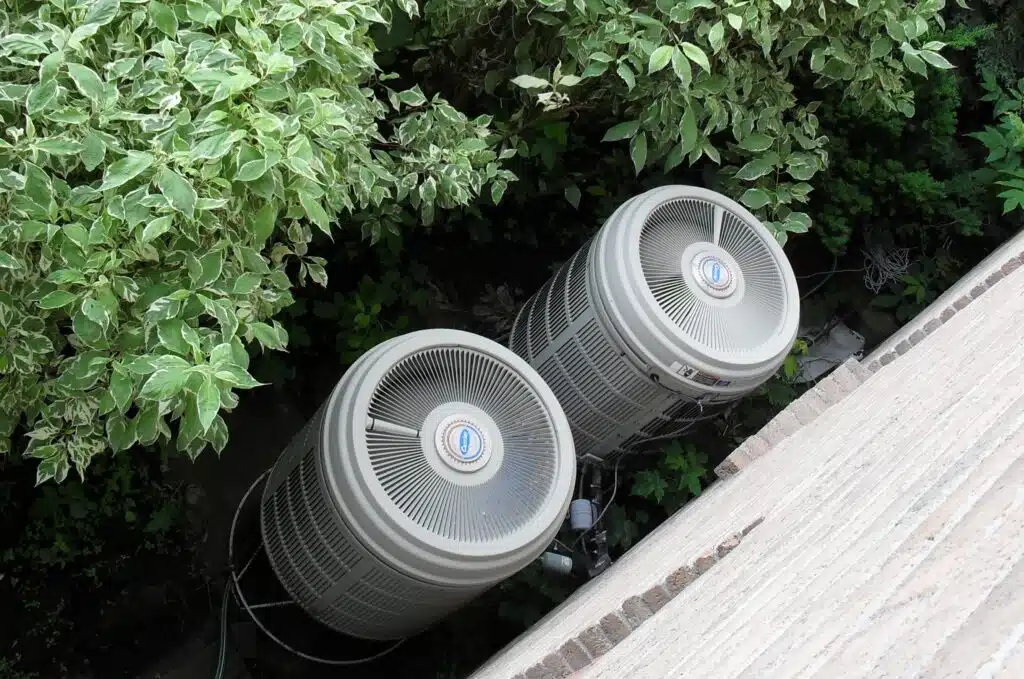
- Industrial yards, depots, and plant equipment
- Pubs, clubs, and music venues
- Construction sites and demolition works
The core standards for residential noise assessment
BS 8233:2014 — Guidance on sound insulation and noise reduction for buildings
BS 8233 provides internal and external noise level targets for dwellings. It covers living rooms, dining rooms, bedrooms, and private outdoor spaces.
Common planning targets:
- Living rooms (day): ≤ 35 dB LAeq,16h
- Bedrooms (night): ≤ 30 dB LAeq,8h and ≤ 45 dB LAmax
- Gardens/balconies: ≤ 50 dB LAeq,16h desirable; ≤ 55 dB upper guide
Consultants use BS 8233 to decide glazing performance (Rw ratings), ventilation type, and where to position rooms within a layout.
BS 4142:2014+A1:2019 — Methods for rating and assessing industrial and commercial sound
BS 4142 assesses noise from industrial and commercial sources near homes. The method compares a rating level to the background sound level (LA90) at the receptor. It also applies penalties for certain characteristics:
- Tonal sounds (hums, whistles)
- Impulsive sounds (bangs, clatters)
- Intermittent or irregular noise patterns
Interpretation:
- +5 dB above background: likely adverse impact
- +10 dB or more: likely significant adverse impact
- At or below background: low impact likely
BS 5228:2009+A2:2019 — Code of practice for noise and vibration control on construction and open sites
Even with good design, construction works can disturb neighbours. BS 5228 sets out methods to predict and control construction noise, along with advice on community liaison. This may be particularly prominent guidance for assessing noise attributable to recent cladding reparation schemes.

Managing Noise Pollution in Residential Areas: a Practical Pathway
1. Desktop review
Identify likely sources using maps, aerial imagery, and site visits. Check local plan noise policies and past applications nearby.
2. Baseline noise survey
Deploy calibrated Class 1 meters to measure representative day and night noise at site boundaries, façades, and gardens. Include weekends if leisure or event noise is possible.
3. BS 8233 assessment
Convert measured external noise into predicted indoor levels. Assess compliance for each room type and façade. Consider ventilation requirements alongside overheating risk.
4. BS 4142 assessment
Rate plant or industrial noise against background levels. Apply penalties where features are present.
5. BS 5228 construction plan
Predict construction noise and vibration. Propose working hours, sequencing, and monitoring. Include neighbour liaison measures.
6. Mitigation design
Select barriers, glazing, ventilation systems, and layout changes that achieve compliance.
7. Planner-ready report
Summarise methodology, results, and mitigation. Use clear language so planning officers and consultees can verify compliance quickly.
Design Measures and Trade-offs
Façade and glazing
- Double glazing can achieve Rw 33–37 dB; high-performance acoustic units exceed Rw 40 dB.
- Triple glazing can improve low-frequency control but requires careful ventilation detailing.
Ventilation
- Acoustic trickle vents: low cost, but limited purge capacity.
- Mechanical ventilation with heat recovery (MVHR): avoids opening windows; requires upkeep.
External amenity
- Solid barriers ≥2.0 m can reduce garden noise by 5–10 dB, depending on geometry.
- Bunds require more land but can blend into landscaping.
Plant noise control
- Enclosures and silencers: effective if specified with tested performance data.
- Relocation or orientation: avoid direct line-of-sight to sensitive receptors.
Layout
- Position bedrooms on quieter façades.
- Place service areas away from living and sleeping spaces.
Real-world Examples of Noise Pollution in Residential Areas
Apartments beside a main road
- Measured: LAeq 66 dB day, 58 dB night.
- Solution: Rear bedrooms, Rw 41 dB glazing to front, acoustic trickle vents.
- Outdoor amenity improved by 2.2 m barrier, reducing garden levels to ≤ 55 dB LAeq.
Rooftop plant near homes
- Background: 38 dB LA90.
- Rated noise with tonal penalty: 43 dB (+5 over background).
- Mitigation: Acoustic enclosure, reduced night-time fan speed.
- Result: Rating dropped below background.
Construction near existing flats
- BS 5228 plan agreed: restricted hours, breaker shrouds, acoustic hoardings.
- Weekly updates sent to neighbours reduced complaints.
Policy Links for Residential Noise Assessment
- NPPF: Avoid significant adverse impacts; mitigate and minimise others.
- NPSE: Aim to avoid significant adverse impacts, mitigate adverse impacts, and contribute to overall noise environment improvement.
- Local plan policies: May set stricter numeric limits.
Residential Noise Assessment Measurement Essentials
- Use Class 1 SLMs and calibrators (IEC 61672, IEC 60942).
- Record weather; high wind can skew results.
- Take photographs and note positions.
- Include LAmax and event counts for transport or impulsive sources.
Cost Factors
- Small infill site: 1–2 monitoring points, 24–48 hours.
- Urban mixed-use: 3–5 points, BS 4142 rating included.
- Complex site: Week-long monitoring, modelling, iterative design support.
For a fixed-fee noise assessment cost, include survey, analysis, BS 8233/BS 4142/BS 5228 assessments, mitigation schedule, and one round of planning responses.
Contact us for a tailored quote.
Planner-ready Report Checklist
- Plain English executive summary
- Site plan with monitoring points
- Instrumentation list and calibration records
- Baseline data and time histories
- BS 8233 compliance by room and façade
- BS 4142 rating with penalties
- BS 5228 construction noise plan
- Detailed mitigation schedule
Extra Considerations
- Part E compliance for sound insulation between dwellings.
- Flanking sound control at façades.
- Active noise control for tonal sources.
- Post-completion testing to verify design performance.
Noise Pollution in Residential Areas FAQs
Does meeting BS 8233 mean planning approval is guaranteed?
No. External amenity and BS 4142 results also influence decisions.
How long should monitoring last?
Long enough to capture representative noise, including weekends if necessary.
Can residents open windows in a closed-window design?
Yes, but compliance should be achievable without needing to open them at night.
What if construction noise causes complaints?
Follow BS 5228 guidance: restrict hours, use quieter plant, maintain neighbour communication.
How are tonal penalties applied in BS 4142?
Based on audibility and objective analysis; penalties range from +2 to +6 dB.
What is a typical noise survey cost?
Depends on site size, monitoring duration, and complexity. Smaller sites may be a few hundred pounds; complex mixed-use can be more.
Final Thoughts on Noise Pollution in Residential Areas
Noise pollution in residential areas can be successfully managed through early measurement, standards-based assessment, and practical mitigation. That is to say, BS 8233 sets comfort targets for internal and garden spaces, BS 4142 rates plant and industrial noise impact. Lastly, BS 5228 controls construction-related noise and vibration.
By addressing all three from the start, developers can design homes that meet planning policy, protect health, and reduce the risk of objections. The result: faster approvals, fewer delays, and communities that are pleasant to live in.