Whether you’re planning to build a single dwelling, extend a home, or convert an office into a flat, noise surveys for small developments are becoming a standard part of the planning process. Many local authorities now require them before granting permission—especially where noise could affect future occupants or neighbours.
In this post, we’ll explore why these surveys matter, when they’re needed, how they’re carried out, and what small developers should keep in mind. Whether you’re a homeowner, architect, or local builder, understanding the process could save you time, money, and headaches.

Why Are Noise Surveys Required for Small Developments?
Small-scale schemes might seem low impact. But in planning terms, even a single new home near a busy road or train line could pose noise risks. Councils are increasingly asking for noise surveys for small developments to ensure:
- New dwellings meet internal and external noise standards.
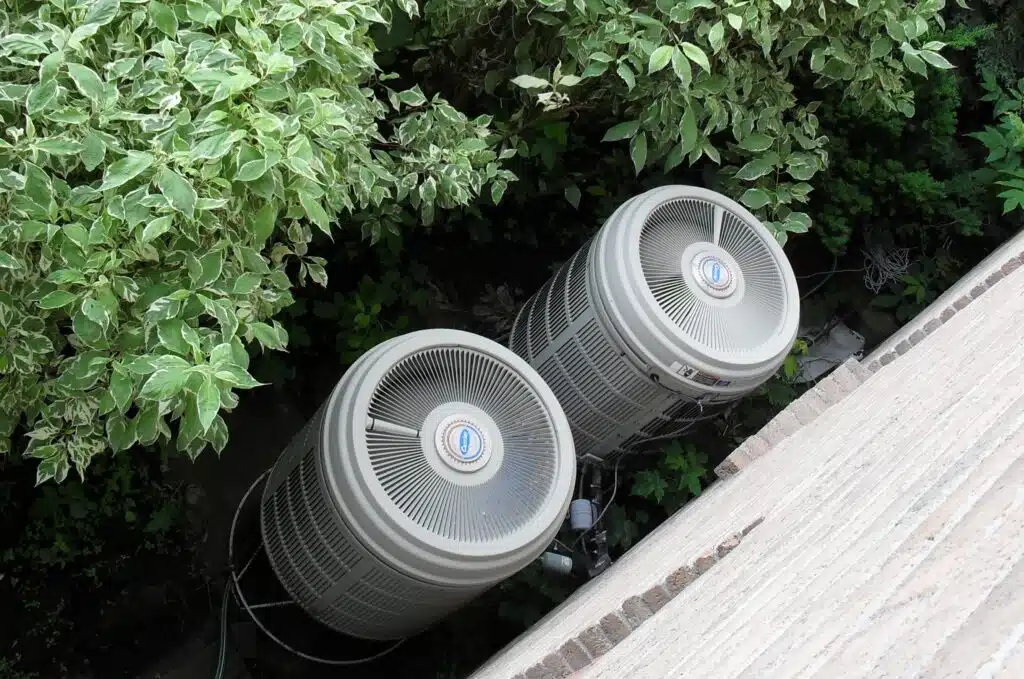
- Existing neighbours aren’t disturbed by new noise sources (e.g., heat pumps, air conditioning units).
- Developers are aware of potential mitigation costs before construction.
The Rise of Acoustic Scrutiny in Local Planning & Small Developments
Since the introduction of ProPG: Planning & Noise (2017) and the growing influence of BS 8233:2014, local authorities have been under pressure to protect residential amenity. Add to that the National Planning Policy Framework (NPPF)and its emphasis on avoiding “unacceptable noise impacts”, and you’ve got a climate where even modest proposals are expected to prove they’re acoustically suitable.
When Is a Noise Survey Needed for Small Developments?
The need for a noise assessment isn’t limited by project size. It depends more on:
- Proximity to noise sources
(e.g., railways, roads, industrial areas, pubs, or schools) - Nature of the proposal
(new dwellings, commercial to residential conversions, or even home offices) - Local policy requirements
Some councils request assessments as standard for all new residential units.
Common Scenarios That Trigger Noise Surveys for Small Developments
You’re likely to need a noise surveys for a small developments in cases like:
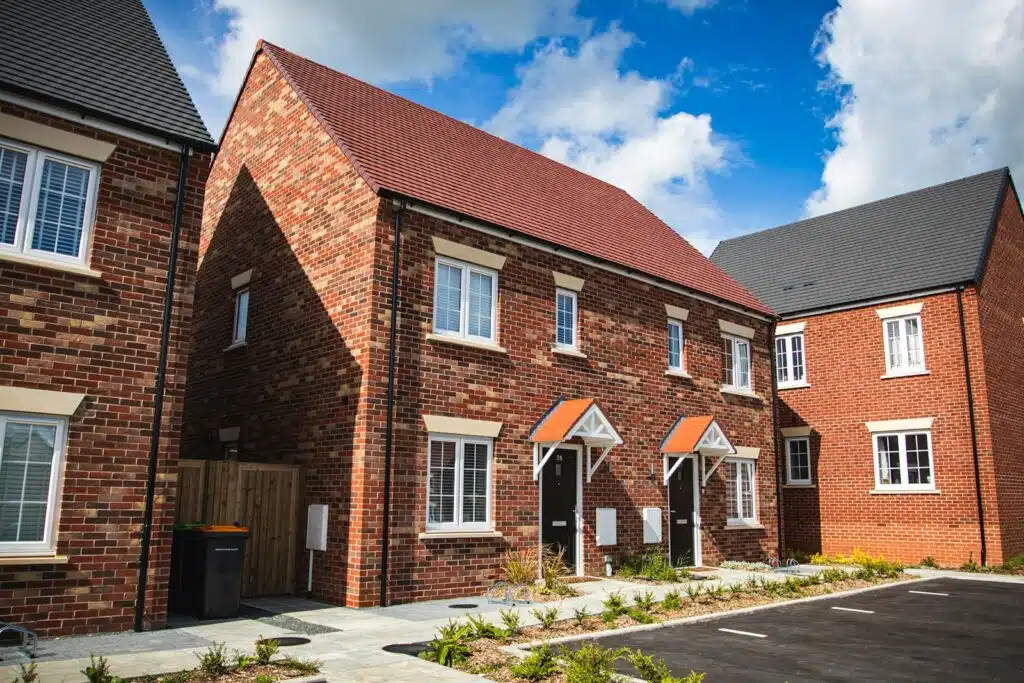
- A single house or pair of semis next to a busy A-road
- Converting a commercial unit above a shop into a flat
- Adding a garden room or annex near a railway
- Installing plant equipment (air source heat pumps, fans, etc.)
Don’t wait for the council to ask—pre-empting it could smooth your application.
What Does a Noise Survey Involve?
1. Initial Scoping
An acoustic consultant will begin by reviewing the site. They’ll consider:
- Local noise sources
- Site layout and topography
- Nearest sensitive receptors
- Planning history and local policy
A desktop review might highlight whether a full noise impact assessment is necessary.
2. Site Measurements
If noise levels are a concern, on-site monitoring is the next step. This often includes:
- Day and night-time sound level measurements using Class 1 sound level meters
- At least 24 hours of data, ideally more in complex locations
- Placement of microphones at proposed façade locations or boundary lines
All measurements follow guidance from BS 8233 and ProPG, ensuring consistency.
3. Assessment Against Standards
The consultant compares results to key acoustic benchmarks such as:
- BS 8233:2014 – internal and external ambient noise levels
- WHO Guidelines – health-based criteria for noise annoyance
- BS 4142:2014+A1:2019 – used when assessing new mechanical equipment
4. Recommendations and Mitigation
Where necessary, the report will include noise control measures like:
- Improved glazing (e.g., double or triple-glazed units)
- Mechanical ventilation if windows need to remain closed
- Acoustic fencing or landscaping to shield gardens
- Repositioning rooms away from noise sources
Sometimes, smart layout tweaks can avoid costly upgrades.
Real-World Example: One Plot, One Problem
A recent project in Surrey involved a single detached dwelling proposed on a narrow plot adjacent to the M25. The local planning authority requested a noise impact assessment prior to validation. A short 48-hour survey revealed daytime levels exceeding 65 dB LAeq.
Without mitigation, the living room and bedroom would’ve failed BS 8233. By incorporating acoustic glazing and trickle ventilation, we brought internal noise down to within acceptable limits. The planning application was approved with conditions tied to those design measures.
It’s a reminder: even “simple” schemes aren’t exempt from noise risk.
How to Prepare for a Noise Survey for a Small Development
To streamline the process, it helps to:
- Share accurate site layouts and elevations
- Flag any known or suspected noise sources early
- Ask your acoustic consultant if scoping alone might be enough
- Engage before submitting planning—don’t wait for validation delays
Working with an experienced consultant can also help manage expectations and costs.
How Much Does a Noise Survey Cost for a Small Development?
For small residential schemes, typical costs range from £500–£1,500 + VAT, depending on:
- Site complexity
- Number of survey days required
- Speed of turnaround
- Whether mitigation advice is needed
It’s a small investment compared to the cost of delayed or refused planning applications.
UK Standards and Guidance Referenced
A trustworthy noise report will refer to:
- BS 8233:2014 – “Guidance on sound insulation and noise reduction for buildings” (British Standards Institution)
- ProPG: Planning & Noise (2017) – Professional Practice Guidance by IOA, ANC & CIEH
- BS 4142:2014+A1:2019 – “Methods for rating and assessing industrial and commercial sound”
- National Planning Policy Framework (NPPF) – GOV.UK noise guidance
These standards ensure assessments meet both industry best practice and local authority expectations.
The Pros and Cons of Early Acoustic Input
Pros:
- Avoid planning delays
- Identify noise risks early
- Budget for acoustic measures
- Strengthen your application
Cons:
- Added upfront cost
- Potential design changes
- May uncover unexpected constraints
But in our experience conducting noise surveys for small developments, the benefits of early engagement far outweigh the downsides—especially if the site is near a known noise source.
Final Thoughts
Noise may not be the first thing on a small developer’s mind—but it’s often one of the first things that causes delays if overlooked. Local authorities are becoming stricter, and national policy is backing them up.
By addressing noise surveys for small developments early, applicants can avoid costly revisions and progress with greater confidence. Whether it’s a single infill plot or a modest conversion, every site has its acoustic story.
Have a project in mind? Get in touch with our team today or learn more about our full range of noise services.