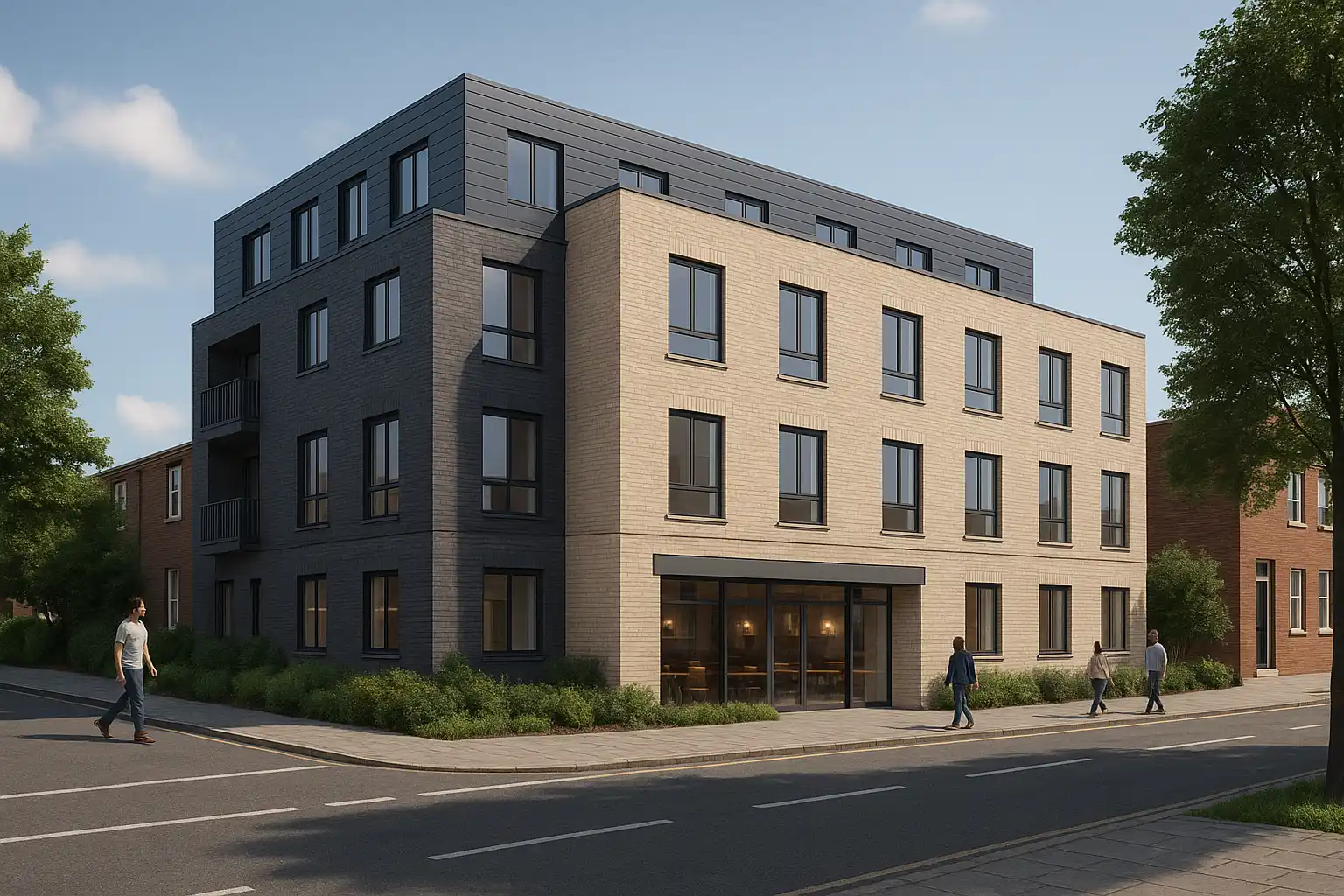
In early 2024, our consultancy was approached to support the planning application for a Class MA permitted development in Southampton. The proposal sought to convert the third storey of an existing office building to residential use, accompanied by a new two-storey rear extension to maximise residential yield. As is increasingly common with urban conversions, the scheme was located within a mixed-use area, with commercial premises and transport links in close proximity.
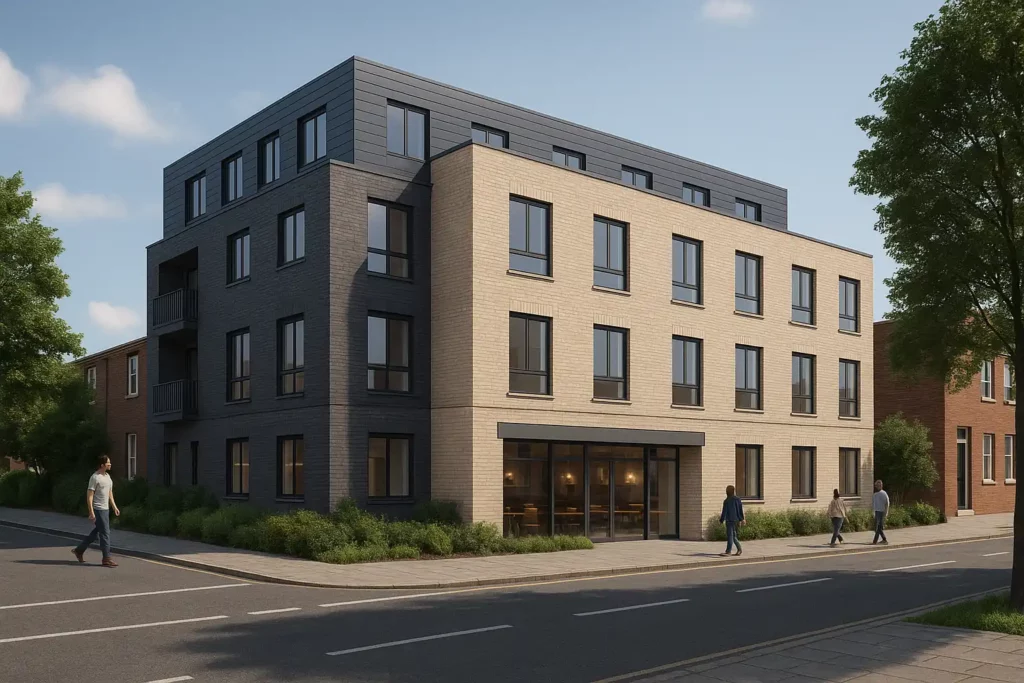
In 2024, our acoustic consultancy was engaged to provide expert advice for a Class MA permitted development in Southampton. The project involved converting the third storey of an existing office building into residential apartments, with the addition of a two-storey extension to maximize living space. The site was located in a bustling mixed-use urban area and required a comprehensive approach to address noise. Additionally, the site posed significant acoustic challenges that are typically associated with commercial-to-residential conversions.
Acoustic Challenges of Urban Commercial-to-Residential Conversions
Class MA conversions in city centres often face significant acoustic hurdles, including:
- High levels of road traffic noise
- Proximity to commercial premises and plant noise
- The need for upgraded internal sound insulation to meet Approved Document E standards
- Ensuring new residential extensions do not impact neighbours or future occupants
Our Approach: Acoustic Assessment and Mitigation Strategy
1. Detailed Noise Survey in Southampton
We conducted a thorough environmental noise survey over 48 hours, measuring daytime and night-time noise from:
- Busy Southampton roadways
- Nearby commercial activities
- On-site and surrounding plant noise
2. Acoustic Design Solutions
- External to Internal Noise Reduction: Using BS 8233:2014 and WHO guidelines, we modelled noise ingress and recommended minimum glazing specification (Rw 40 dB) and acoustically-rated trickle ventilators for facades exposed to the most significant noise.
- Internal Sound Insulation: To comply with Approved Document E, we specified acoustic upgrades to separating floors and party walls, such as resilient bar ceiling systems and specialist underlays.
- Outdoor Amenity Protection: We ensured private balconies and garden spaces associated with the new extension would meet acceptable noise criteria, supporting resident wellbeing.
3. Collaboration and Planning Submission
We worked closely with the design team to integrate acoustic recommendations early, producing a user-friendly acoustic report for the planning application. Our report directly addressed Southampton City Council’s planning policies on noise and residential amenity.
Outcome: Planning Approval with Acoustic Conditions
The planning application was approved with conditions. The local authority specifically required the implementation of our recommended acoustic mitigation measures, recognising our report’s detail and practicality. Our involvement ensured:
- Future residents enjoy high acoustic comfort
- The risk of noise complaints is minimised
- The development met both local and national planning requirements
Key Lessons for Class MA Acoustic Consultancy
- Early acoustic input can be critical to planning success in office-to-residential conversions.
- Detailed noise surveys and pragmatic mitigation are essential for urban permitted development projects.
- Clear, policy-driven acoustic reports support smoother planning approvals.