Securing approval for residential planning can be a complex process, and noise issues are among the most common reasons for delays in the UK. From busy roads to nearby nightlife, poorly addressed noise concerns can derail even the most promising developments.
If you’re a property developer, planning consultant, or environmental professional, this guide outlines the top five noise-related problems and how to avoid them from the start.

Why Noise Issues Matter in Residential Planning
In every residential planning application, planners must consider the long-term health and wellbeing of future residents. Noise issues can undermine this, especially when new homes are built near transport routes, industry, or entertainment venues.
Ignoring noise at the planning stage often leads to objections, delays, and expensive redesigns.
Getting ahead of potential noise concerns saves time and boosts approval chances.
1. Road Traffic Noise
One of the most significant noise issues in residential planning is road traffic. Homes near busy roads are exposed to constant sound from engines, horns, and tyres, especially at night.
Typical concerns include:
- Bedrooms overlooking main roads
- Poor acoustic glazing
- Openable windows facing traffic sources
Recommended strategies:
- Orient buildings to place sensitive rooms away from noise
- Use acoustic insulation and triple glazing
- Create landscape buffers or bunds where feasible
Planning officers will expect a detailed acoustic report for any site near a major road.
2. Railway Noise Issues
Rail noise, especially from late-night freight services, poses a significant barrier to smooth residential planning. While daytime noise might seem manageable, nighttime disruptions are a frequent complaint.
Key challenges:
- Sudden peaks in noise levels
- Ground-borne vibration from nearby tracks
- Underestimated exposure during early assessments
Best practices:
- Conduct multi-day noise monitoring
- Assess both vibration and airborne sound
- Engage early with Network Rail if applicable
Mitigating these noise issues effectively helps avoid costly post-approval changes.
3. Commercial and Industrial Activity
Building homes near active businesses creates potential for long-term conflict. Under the agent of change principle, the developer must ensure residents won’t suffer due to existing commercial noise.
Typical noise sources:
- Night-time deliveries
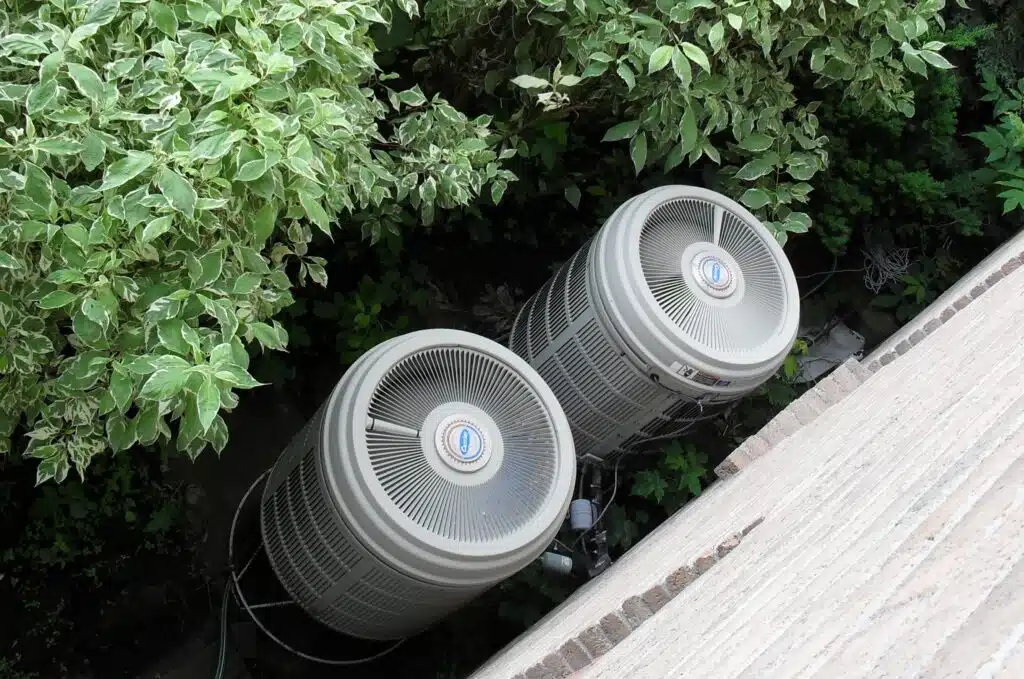
- HVAC units and chillers
- Pubs, bars, and music venues
Solutions include:
- Locating bedrooms away from shared boundaries
- Installing upgraded acoustic façades
- Including communal gardens or parking as sound buffers
Addressing these noise issues is crucial to avoid planning objections and neighbour disputes.
4. Internal Acoustic Design Flaws
Even without external noise, poor design can lead to significant noise issues within the development. Building control teams and planning officers increasingly scrutinise internal layouts.
Common errors:
- Party walls not meeting acoustic standards
- Bedrooms next to communal stairs or lifts
- Flimsy floor/ceiling structures in flats
Effective design tips:
- Use tested floor and wall systems
- Apply guidance from BS 8233 and Approved Document E
- Consult an acoustic expert during early design stages
High internal noise levels can result in planning rejections or delayed building sign-off.
5. Missing or Inadequate Noise Assessments
Perhaps the most avoidable of all noise issues is failing to include a proper assessment. Too often, residential planningapplications are submitted without this critical document.
Consequences include:
- Rejection at validation stage
- Delays during consultation
- Requirement for re-submission with additional evidence
Avoid setbacks by:
- Commissioning a full Noise Impact Assessment early
- Including realistic mitigation proposals
- Updating reports if site layout or context changes
Planning departments expect a thorough, professional approach to noise—don’t leave it to chance.
FAQs
What is a Noise Impact Assessment in residential planning?
It’s a report assessing the impact of external noise sources on a proposed residential site, with design and layout recommendations.
When should I consider noise issues in my planning application?
From day one. If your site is near traffic, railways, or commercial uses, you’ll likely need an assessment before submitting plans.
Can noise issues stop a residential planning application?
Yes. If noise issues are unresolved or deemed unacceptable, your application may be refused or significantly delayed.
Do I need an acoustic consultant for residential planning?
Absolutely. Qualified consultants provide technical data and design advice that supports your planning case and avoids surprises later.
How much does a noise report cost?
Costs vary, but most start from £1,200 to £2,500 depending on site complexity, number of noise sources, and required monitoring.
Conclusion: Tackle Noise Issues Early in Residential Planning
Noise is one of the most underestimated challenges in residential planning. But with careful site assessment, intelligent design, and early engagement with specialists, you can avoid the most common noise issues that delay approvals.
Don’t risk rejection or delay; plan for sound from the start.
Need support with a sensitive planning application? Visit our services page to learn how we can help, or contact us for a free initial consultation.