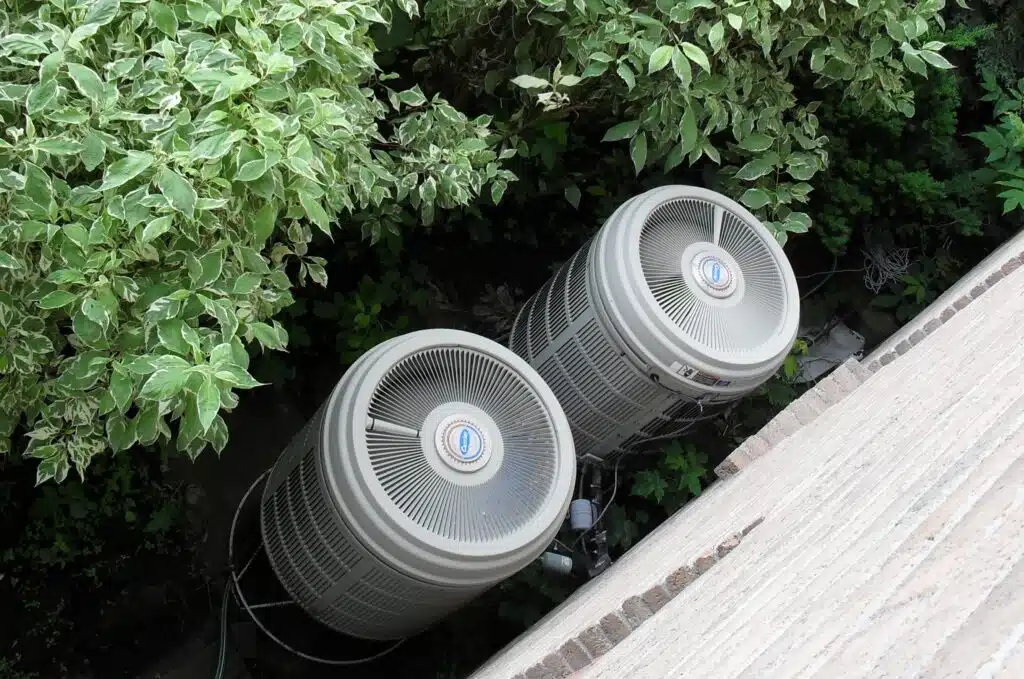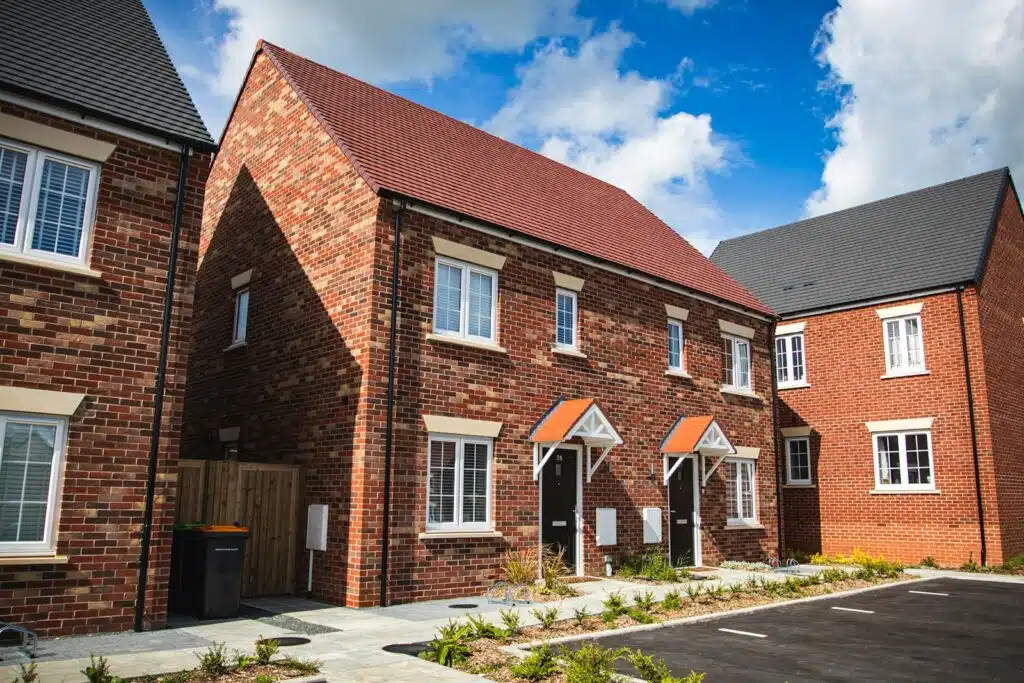
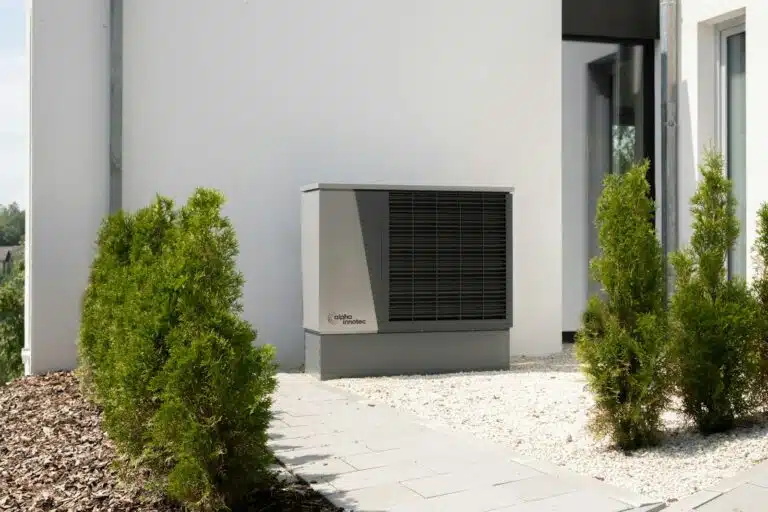
If you’re planning to install an air source heat pump at your home or business, you may have heard that a noise assessment could be required. Whether you’re chasing planning permission or simply trying to avoid complaints from the neighbours, understanding what’s involved in a noise assessment for heat pump installation can save you a lot of hassle.
In this guide, I’ll walk you through why noise matters, how it’s measured, and what steps you can take to stay compliant—without losing sleep over decibels.
Why Does a Noise Assessment Matter for Heat Pumps?
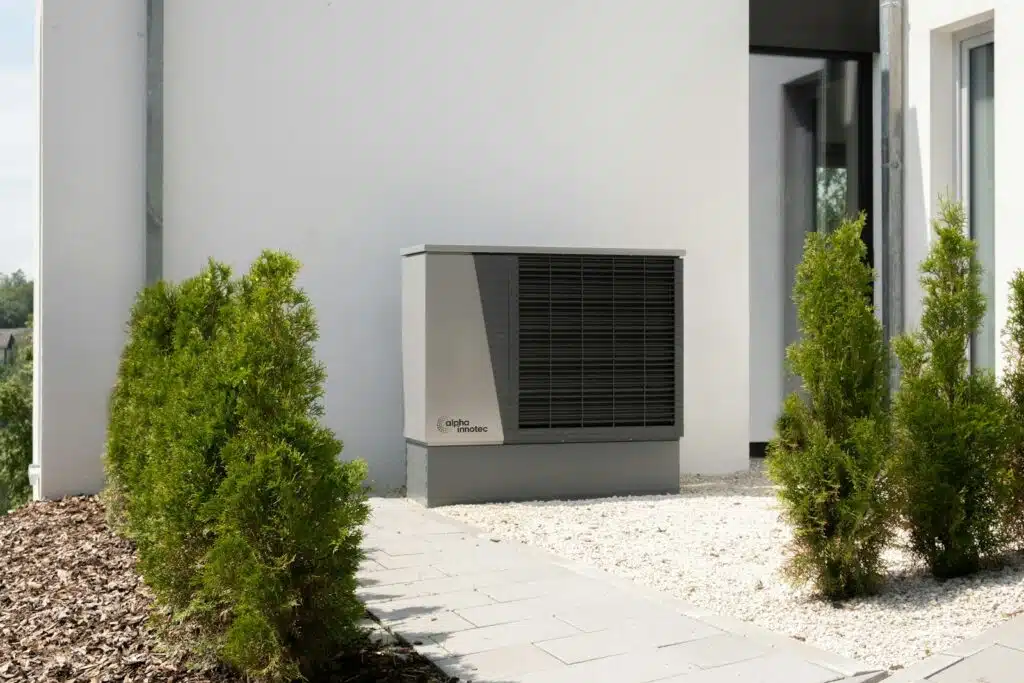
Air source heat pumps are becoming more popular across the UK. They’re efficient, eco-friendly, and ideal for reducing carbon emissions in both new builds and retrofits. But like any mechanical system, they generate sound—and in quiet environments (like residential areas or rural plots), that can quickly become an issue.
Local authorities may ask for a noise impact assessment to ensure your system won’t exceed acceptable levels or disturb nearby residents. In fact, if your project falls under permitted development, it must still meet strict noise criteria set out in MCS 020.
When Is a Noise Assessment for Heat Pump Installation Required?
You’ll typically need a noise assessment in the following situations:
- You’re installing the heat pump near a neighbouring boundary
- Your property is in a quiet or rural area
- You’re applying for planning permission
- The unit is large or part of a commercial installation
- The manufacturer’s noise data isn’t detailed enough for council review
Even if your installation falls under permitted development, planners may still ask for a professional acoustic report to confirm compliance.
What Does a Noise Assessment Involve?
As an acoustics consultant, here’s what we would typically do for a heat pump project:
1. Initial Consultation and Site Details
We’d start by gathering information about:
- The model and make of the heat pump
- Its proposed location (e.g., side wall, garden, roof)
- Distances to the nearest windows or boundaries
2. Manufacturer Noise Data Review
Most units come with noise data in dB(A)—but this often needs verification, especially if it’s not measured at the standard 1 metre or lacks octave band data.
3. Background Noise Measurement
In many cases, especially in rural settings, we’ll conduct an on-site noise survey to determine the ambient background level during likely operating hours (daytime or evening).
4. BS 4142 or MCS 020 Assessment
Depending on the planning route, we’ll use either:
- BS 4142:2014+A1:2019 for formal planning and complaint risk assessments
- MCS 020 to show permitted development compliance (the system must not exceed 42 dB(A) at 1 metre from the boundary)
This often involves predictive noise modelling and adjustment for tonality, impulsiveness, or intermittency.
5. Reporting and Recommendations
A final report is provided, which may include:
- Calculated noise levels at the nearest sensitive receiver
- Assessment results and risk level
- Mitigation advice if required (see below)
🔗 Need a quote? Link to our noise assessment services page
How Loud Is a Heat Pump, Really?
Here’s a quick guide to common sound levels for comparison:
| Sound Source | Typical Level |
|---|---|
| Whisper | 30 dB(A) |
| Library | 40 dB(A) |
| Air source heat pump (at 1m) | 40–60 dB(A) depending on make/model |
| Vacuum cleaner | 70 dB(A) |
So yes—heat pumps can be quiet, but in the still of the night, a constant hum can travel further than you think.
Common Mitigation Strategies
If your assessment shows the noise might exceed acceptable limits, here are a few things we may recommend:
- Relocate the unit to a more shielded area (e.g., behind a garden wall)
- Install acoustic fencing or barriers
- Use anti-vibration mounts to reduce structure-borne noise
- Select a quieter model (some have lower dB ratings for night mode)
💡 In a recent case in Surrey, we helped a homeowner reduce predicted noise levels by 6 dB simply by changing the unit orientation and adding a small timber fence.
UK Standards You Should Know
Here’s a quick summary of the key documents:
- BS 4142:2014+A1:2019 – used for assessing sound from fixed plant (especially in planning scenarios)
- MCS 020 – used for verifying whether your heat pump meets permitted development noise limits (42 dB(A) at 1m from the boundary)
- Permitted Development Guidelines for ASHPs – Link to GOV.UK noise policy
If your install fails to meet these standards, planning permission may be required—and potentially, reinstallation.
Heat Pump Noise Myths (Busted)
- “All heat pumps are silent.”
Not quite. Some are quieter than others, and noise can reflect off surfaces. - “If it’s under permitted development, I don’t need to worry.”
You still need to meet noise limits under MCS 020—or face retrospective planning issues. - “I can just switch to night mode.”
This helps, but may not be enough if your boundaries are tight or you’re in a quiet area.
Should You Bother with a Noise Assessment for Heat Pumps?
In short—yes. A professional noise assessment for heat pump installation is a low-cost safeguard that ensures your installation:
- Meets planning rules
- Avoids neighbour complaints
- Can be signed off without delay
- Complies with national guidance
If you’re investing in a renewable upgrade, the last thing you want is to get tripped up by something as simple as sound.
Need Help with a Noise Assessment for a Heat Pump?
We’ve supported heat pump installers, self-builders, and homeowners across the UK with fast, accurate acoustic reports—tailored for planning or compliance.
Have a question about your site? Want a fixed-fee quote?
📞 Let’s chat. Link to our contact page