
Planning noise issues can delay residential applications where a site is affected by road traffic, railways, commercial premises, plant noise or other environmental noise sources.
For new homes, flats, conversions and mixed-use schemes, local planning authorities often need evidence that future occupants will have suitable living conditions. This is usually provided through a residential noise assessment or acoustic report prepared with reference to BS 8233, ProPG and, where relevant, BS 4142.
Residential planning noise should be considered early, ideally before the layout, elevations and ventilation strategy are fixed. A well-prepared assessment can identify acoustic constraints, inform the design, and give the planning officer or Environmental Health Officer clear evidence that noise has been properly addressed.
This article explains seven common planning noise issues that can delay residential planning applications, and what applicants can do to reduce that risk.
What Are Planning Noise Issues?

Planning noise issues are acoustic constraints that may affect whether a proposed development is suitable in its location, or whether it could affect nearby residents or existing businesses.
For residential development, the main concern is usually whether future occupants will have acceptable internal and external noise conditions. This can include noise from road traffic, railways, aircraft, commercial premises, industrial activity, entertainment venues, deliveries, extract systems or fixed mechanical plant.
For many residential schemes, the assessment is prepared with reference to BS 8233:2014, which provides guidance on sound insulation and noise reduction for buildings. Depending on the site, the assessment may also need to consider ProPG: Planning & Noise, BS 4142 for industrial or commercial sound, and guidance relating to acoustics, ventilation and overheating, such as the AVO Guide.
The purpose of a noise assessment is not simply to tick a planning box. A useful report should explain the acoustic risks affecting the site and set out practical design recommendations, such as glazing, ventilation, façade design, layout changes or external screening.
For a wider overview, see our guide to noise impact assessment for planning.
1. Road Traffic Noise Affecting Bedrooms and Living Rooms

Road traffic noise is one of the most common planning noise issues for residential development.
This is particularly relevant where a site is close to main roads, motorways, dual carriageways, busy junctions, roundabouts, bus routes or areas with regular acceleration, braking and queuing traffic.
A site may appear suitable for housing in planning terms, but the acoustic design still needs to show that future residents can achieve reasonable internal noise levels. The main concern is often bedrooms at night, although living rooms and other habitable spaces also need to be considered.
Where proposed homes are close to a busy road, the assessment may need to identify the sound insulation performance required from the external façade, including glazing and ventilation. This is a common residential planning noise issue because the façade design, room layout and ventilation strategy all need to work together.
Common mitigation options include enhanced acoustic glazing, acoustic ventilators, alternative ventilation strategies, locating less sensitive rooms on noisier façades, and using building layout or massing to create quieter elevations.
The earlier road traffic noise is considered, the easier it is to avoid redesign. If the issue is left until after layouts and elevations are fixed, the solution may become more expensive, less efficient or harder to justify.
2. Railway Noise and Night-Time Maximum Noise Events
Railway noise can be more complex than general road traffic noise because it often occurs as distinct pass-by events.
An average noise level may not tell the full story. A site could have relatively quiet periods between trains, but high noise events when trains pass, particularly during the night. This can be important where bedrooms face a railway line, station, freight route, depot or level crossing.
A residential noise assessment may therefore need to consider daytime ambient noise levels, night-time ambient noise levels, maximum noise events during the night, whether freight or late-night services are relevant, and whether the proposed façade design protects bedrooms appropriately.
This does not automatically mean a site is unsuitable for residential development. It means the acoustic design needs to be properly evidenced.
In practice, mitigation may include enhanced glazing, suitable ventilation, layout changes, or locating bedrooms away from the most exposed façade where possible. When railway noise is present, planning noise issues should be considered before the design becomes too fixed.
3. Noisy Façades with Poorly Coordinated Layouts
A common cause of delay occurs when the site layout and acoustic design do not line up.
For example, the noisiest façade may include multiple bedrooms, large areas of glazing, lightweight external constructions, balconies exposed to traffic noise, standard trickle vents, or openable windows relied upon for ventilation in a high-noise location.
This is where a noise assessment becomes more than a measurement exercise. The acoustic consultant should help the design team understand which elevations are most exposed and what this means for the layout.
Good acoustic design may involve placing less noise-sensitive rooms on the noisiest elevations, using building massing to create quieter façades, designing bedrooms around better-protected elevations, coordinating glazing and ventilation specifications, and avoiding unnecessary reliance on open windows in high-noise locations.
For larger residential schemes, this may form part of a wider Acoustic Design Statement, particularly where ProPG is relevant. ProPG encourages good acoustic design for new residential development and is often relevant where residential planning noise needs to be considered at the planning stage.
A good report should not simply say whether the site passes or fails. It should explain the acoustic risks and show how the design can achieve acceptable living conditions.
4. Ventilation and Overheating Being Left Too Late
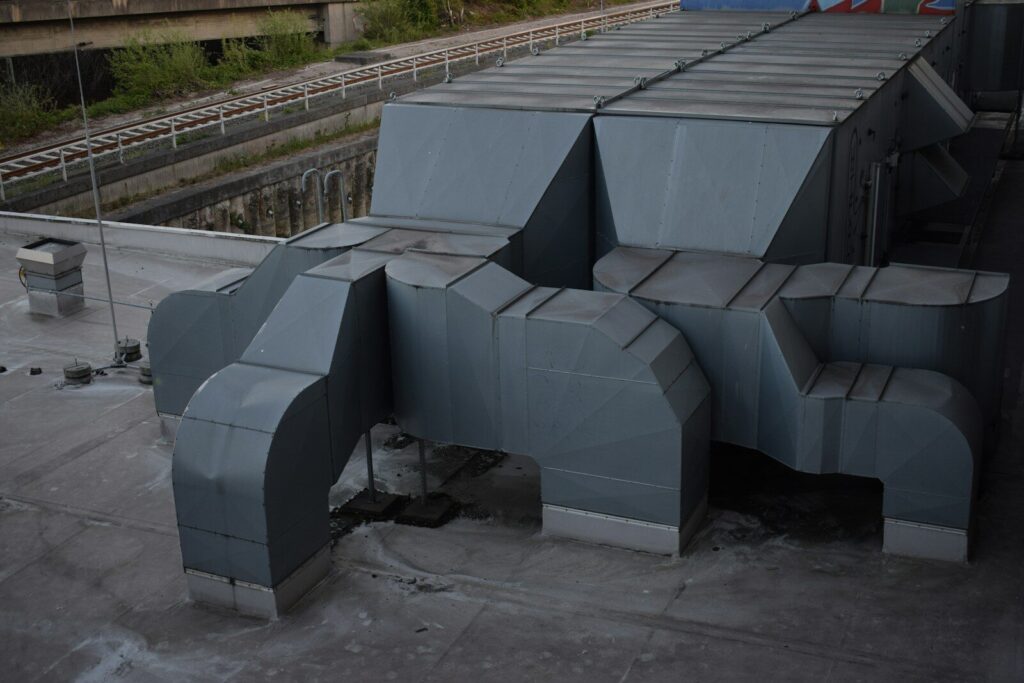
One of the most common weak points in residential acoustic design is ventilation.
It is not enough to assume that windows will be closed if the design gives occupants no practical way to ventilate the dwelling. If internal noise targets rely on closed windows, the ventilation strategy needs to be realistic and coordinated with the acoustic design.
This is especially important where the development is affected by road, rail or commercial noise and where overheating may also be a concern.
Issues can arise where standard trickle vents do not provide sufficient acoustic performance, windows are required to remain closed for acoustic reasons, the ventilation strategy has not been coordinated with the acoustic assessment, summer comfort and overheating have not been considered, or mechanical ventilation is proposed but not properly specified acoustically.
Depending on the site, the solution may involve acoustic ventilators, whole-dwelling ventilation, mechanical ventilation with heat recovery, enhanced façade design, or careful separation between purge ventilation and normal background ventilation requirements.
The key point is that acoustics, ventilation and overheating should be considered together. Leaving this until late in the planning process can lead to uncertainty, redesign or further information requests from the council.
For residential noise surveys and façade advice, see our BS 8233 noise surveys service page.
5. External Amenity Areas Exposed to High Noise
Residential planning applications may also need to consider external amenity spaces.
This can include private gardens, communal gardens, balconies, roof terraces, courtyards, external play areas and sitting areas.
Noise affecting external amenity is not always a simple pass or fail issue. Context matters. A central urban site may have different constraints from a suburban or rural site. However, the design should still show that acoustic conditions have been considered and, where practical, improved.
Potential mitigation may include locating amenity areas on the quieter side of the building, using the building itself as a noise screen, providing local acoustic barriers or boundary treatments, avoiding exposed balconies on the noisiest façades where possible, and explaining why any residual noise level is reasonable in context.
This is an area where professional judgement is important. A planning noise report should avoid treating guidance values as rigid thresholds in every situation, but it should still give the decision-maker a clear and defensible assessment.
External amenity noise is one of the planning noise issues that can easily be missed if the assessment focuses only on internal noise levels.
6. Existing Commercial or Industrial Noise Nearby

Residential development near commercial or industrial uses can be more complicated than a standard road traffic noise assessment.
Examples include sites near pubs, bars, restaurants, takeaways, night-time economy uses, shops with rear service yards, loading bays, workshops, industrial estates, external plant, commercial extract systems, car parks and delivery areas.
In these situations, BS 8233 may not be the only relevant guidance. Where the sound is industrial or commercial in nature, BS 4142 may also be required.
This matters because commercial and industrial sound can include characteristics such as tonality, intermittency or impulsivity. Examples include reversing alarms, refrigeration plant, kitchen extract systems, doors slamming, bottle bins, deliveries, vehicle movements or mechanical plant cycling on and off.
A planning authority may want to know both whether future residents will have suitable internal acoustic conditions, and whether the proposed residential development could place unreasonable constraints on existing businesses or activities.
For sites near plant, industrial premises or commercial uses, the assessment scope should be checked carefully at the start. A narrow BS 8233-only report may not be enough if the real issue is commercial sound affecting future residents.
For commercial and plant noise, see our BS 4142 plant noise assessment service page.
7. Submitting Without Enough Acoustic Evidence
The final issue is often the most avoidable: submitting the application before the noise risk has been properly checked.
This can lead to validation delays, Environmental Health objections, requests for further information, pre-commencement planning conditions, design revisions, programme delays, increased professional fees and uncertainty for the project team.
In many cases, the acoustic risk could have been identified early from a basic site review.
Before submitting a residential planning application, it is worth checking whether the site is close to any obvious noise sources, including main roads, railway lines, commercial premises, industrial units, plant equipment, schools, sports facilities, entertainment venues or delivery areas.
Where noise is likely to be relevant, a proportionate residential noise assessment can usually provide the evidence needed to support the application.
Submitting without enough acoustic evidence is one of the easiest planning noise issues to avoid, provided the site is reviewed early and the scope is agreed before the application is finalised.
What Should a BS 8233 Planning Noise Assessment Include?
A BS 8233 planning noise assessment should normally explain the site context, the relevant noise sources, the measurement methodology, the assessment criteria and the recommended design response.
Depending on the scheme, this may include baseline environmental noise measurements using suitable calibrated equipment, daytime and night-time ambient noise levels, consideration of maximum noise events where relevant, façade noise level assessment, internal noise level assessment for bedrooms and living rooms, external amenity noise assessment, glazing and ventilation recommendations, and commentary on overheating or open-window constraints where relevant.
The most useful reports are specific to the site. They should not rely on generic statements where the design needs clear acoustic input. The local authority needs to understand what has been measured, how the assessment has been carried out, and what design measures are needed to achieve suitable living conditions.
BS 8233 planning noise evidence is especially important where a council needs to understand how road traffic, railway noise or other environmental sound sources affect future residents. In more complex cases, BS 8233 planning noise guidance may need to be considered alongside ProPG, BS 4142 or local planning policy.
For further background, the Government’s Planning Practice Guidance explains that noise can be relevant where development creates noise or is sensitive to the existing acoustic environment. You can also refer to BSI information on BS 8233 and the ProPG guidance for new residential development.
What Should You Do Before Submitting?
Before submitting a residential application, it is sensible to gather the site address, red line boundary, proposed plans, elevations, sections, existing and proposed layouts, planning reference, pre-application advice, Environmental Health comments, and details of nearby roads, railways, commercial uses or plant.
It is also helpful to provide any proposed ventilation or overheating strategy. This allows the acoustic consultant to consider whether internal noise targets can realistically be achieved without relying on open windows in unsuitable locations.
An acoustic consultant can then advise whether a noise survey is needed, what standards are likely to apply, and what level of reporting is proportionate.
This early review can save time. It can also help the design team avoid common residential planning noise problems before they become formal objections.
For more detail on what a report usually includes, see our noise survey report guide.
How Polaris Acoustics Can Help

Polaris Acoustics provides residential noise assessments, BS 8233 noise surveys and acoustic reports for planning applications across the UK.
We help developers, architects, planning consultants and property owners identify planning noise issues early, agree a proportionate scope of work, and prepare clear reports for local planning authorities.
A residential noise assessment can help identify the acoustic constraints affecting your site, support the design of suitable glazing and ventilation, and provide clear evidence for the planning submission.
If a council has requested a noise assessment, or if your site is near a road, railway, commercial premises or other noise source, Polaris Acoustics can review the requirements and provide a practical scope of works.
Send the site address, planning drawings and any council comments to Polaris Acoustics for a clear quote.
Frequently Asked Questions
What are common planning noise issues?
Common planning noise issues include road traffic noise, railway noise, commercial activity, industrial sound, external plant, noisy façades, exposed amenity areas and poorly coordinated ventilation strategies.
When is residential planning noise assessed?
Residential planning noise is usually assessed when proposed homes may be affected by existing environmental noise sources, or where a council has requested acoustic evidence before determining a planning application.
What is BS 8233 planning noise guidance used for?
BS 8233 planning noise guidance is commonly used to assess suitable internal and external acoustic conditions for residential development. It helps inform façade sound insulation, glazing, ventilation and layout recommendations.
Can noise delay a planning application?
Yes. Noise can delay a planning application if the council needs further evidence, if Environmental Health raises an objection, or if the proposed design does not show how suitable living conditions will be achieved.
Do all residential schemes need a noise survey?
Not all residential schemes need a full noise survey. However, where a site is close to roads, railways, commercial premises, plant or industrial activity, a proportionate acoustic review or residential noise assessment may be required.