Whether you’re developing a new residential building, renovating a commercial space, or seeking building regulations compliance, sound testing plays a crucial role in ensuring acoustic performance. It’s more than just ticking a box—it directly impacts occupant comfort, property value, and legal obligations. In this guide, we’ll break down what sound testing involves, why it matters, and how to approach it effectively.
What Is Sound Testing?
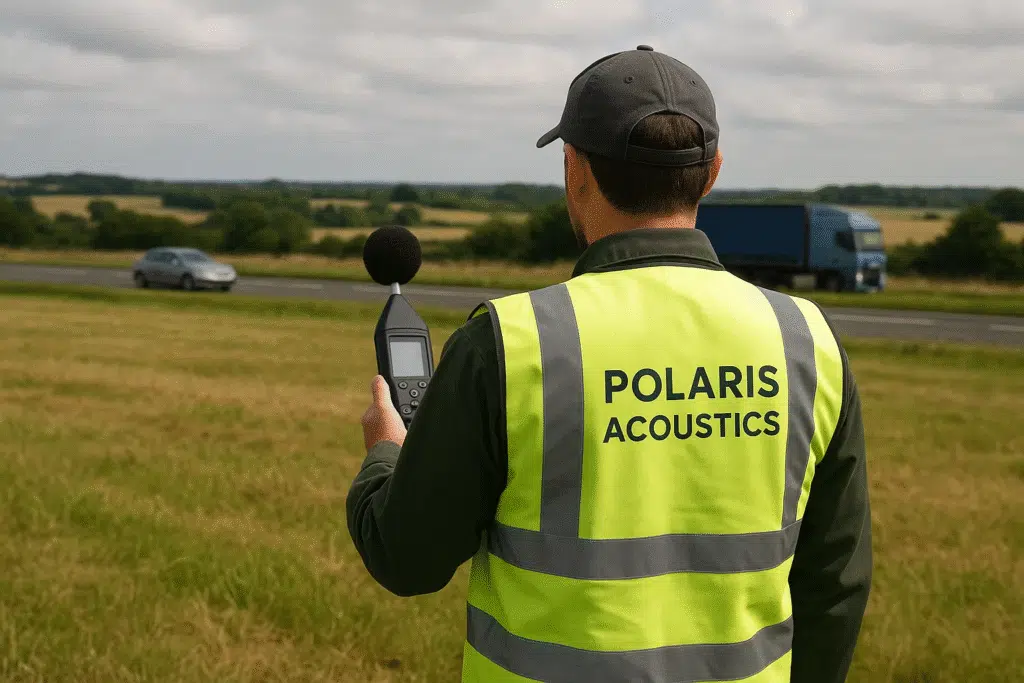
Sound testing is the process of measuring how sound travels through building elements such as walls and floors. The aim is to determine if the structure meets the required acoustic standards—most commonly those set by Approved Document E (Resistance to the Passage of Sound) in the UK.
There are two main types of tests:
- Airborne sound testing – Measures sound transmission through the air (e.g., talking or music).
- Impact sound testing – Measures sound from physical impacts (e.g., footsteps on a floor).
These tests help identify weak points in a building’s acoustic performance and confirm compliance with local and/or national regulations.
A Quick Word on “Sound Testing” vs Noise Surveys
We often get asked: “Isn’t sound testing the same as a noise survey?” While it’s easy to see why these terms get muddled, they’re not the same thing.
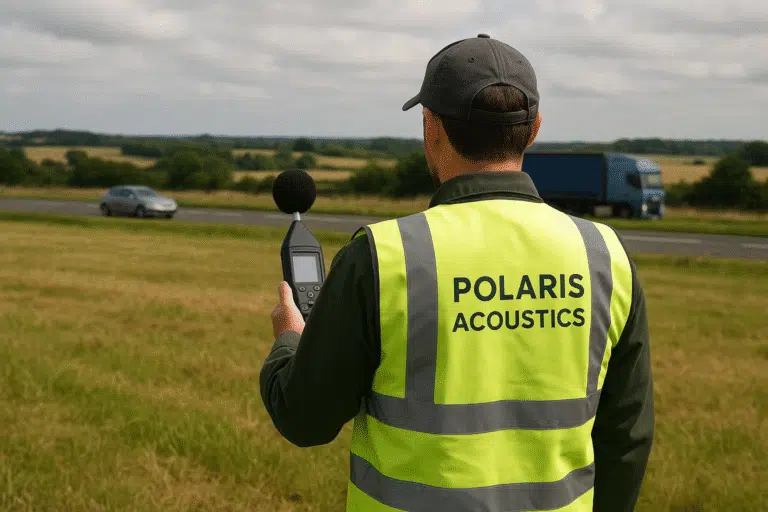
People sometimes colloquially refer to BS 4142 or BS 8233 noise surveys as “sound testing”—but that’s not technically correct.
Here’s the difference:
- Sound testing checks internal sound insulation between walls and floors within a building.
- Noise surveys measure external or environmental noise, often for planning purposes.
BS 4142:2014 +A1:2019
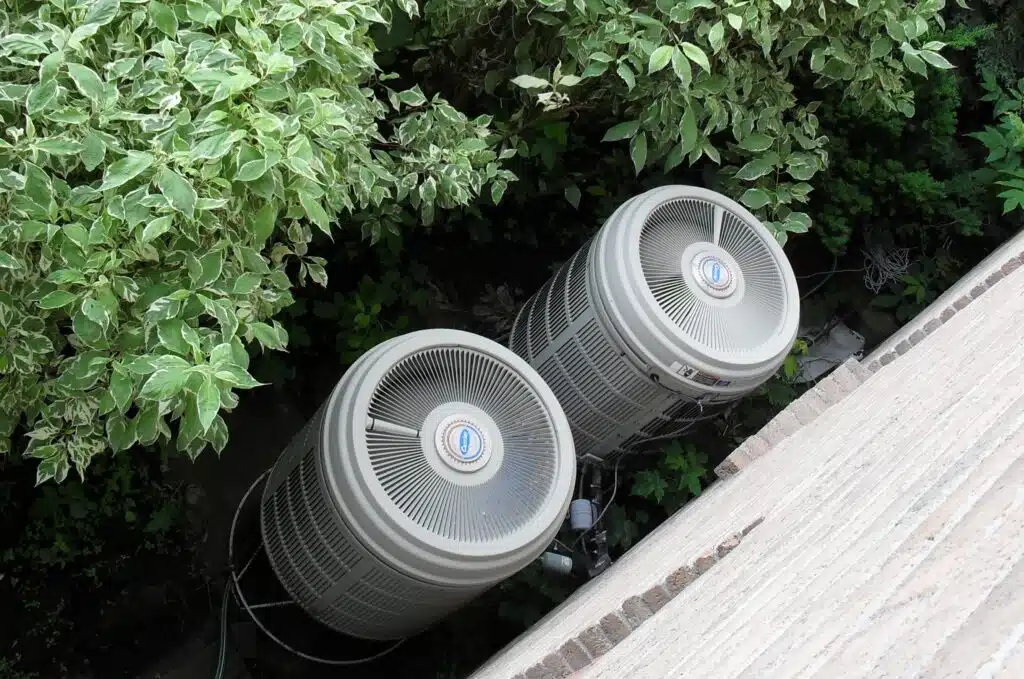
Used to assess the potential impact of industrial and commercial noise (like fans or air con units) on nearby homes. It compares the background noise level with the specific source noise to predict likely disturbance.
BS 8233:2014
Focuses on acceptable internal noise levels from external sources such as road traffic or railways. This is usually relevant in planning new dwellings or redeveloping sites exposed to high environmental noise.
In short: if you’re being asked for Building Regulations Part E compliance, you need sound testing—not a noise survey. When in doubt, ask your acoustic consultant to clarify.
Why Sound Testing Is Important
Effective sound insulation isn’t just a luxury—it’s a necessity. Here’s why sound testing matters:
- Regulatory compliance: In the UK, sound insulation must meet Building Regulations Part E standards for new builds and conversions.
- Health and wellbeing: Excessive noise is linked to stress, poor sleep, and reduced productivity.
- Property value: Quiet, well-insulated properties often attract higher prices.
- Legal protection: Testing helps avoid disputes and potential fines from non-compliance.
According to the World Health Organization, long-term exposure to environmental noise can significantly impact health, including increased risks of cardiovascular disease.
When Is Sound Testing Required?
Understanding the correct timing is vital to avoid costly delays.
You’ll typically need sound testing if you are:
- Building new flats or houses
- Converting existing buildings into separate dwellings
- Completing major refurbishments involving separating walls or floors
Tests should take place once construction is finished but before decoration. This ensures accurate results and avoids the need for rework.
How Sound Testing Works
Preparation Is Key
Before the test, your building must be in a state that accurately reflects final use. That includes:
- Fully constructed walls, floors, and ceilings
- All doors and windows installed and closed
- No background noise or workers present
Airborne Sound Testing
This involves playing a calibrated noise source (usually pink noise) in one room. A microphone measures how much of that sound passes into the adjacent room. The result is expressed in decibels (dB), with higher values indicating better insulation.
Typical steps:
- Place a loudspeaker in the source room
- Play pink noise at a controlled level
- Measure the sound levels in both source and receiver rooms
- Calculate the sound reduction index (Rw)
Impact Sound Testing
Here, a tapping machine simulates footsteps on a floor. A microphone below the floor captures the sound energy transmitted through the structure.
Key steps include:
- Positioning the tapping machine at set locations
- Recording noise levels in the receiver room
- Comparing results against Building Regulations thresholds
Standards and Legal Requirements
In England and Wales, the main standard is Approved Document E of the Building Regulations. The minimum requirements are:
| Type | Requirement |
|---|---|
| Airborne sound (walls) | ≥ 45 dB (new build) |
| Airborne sound (floors) | ≥ 45 dB (new build) |
| Impact sound (floors) | ≤ 62 dB (new build) |
Conversions (change of use) typically have slightly lower minimum standards due to existing structure limitations.
Scotland and Northern Ireland have similar—but not identical—requirements, so it’s essential to consult regional guidelines or work with a qualified acoustic consultant.
Common Issues and How to Avoid Them
Many projects fail sound testing due to avoidable errors. Here are the top culprits and how to prevent them:
- Poor workmanship: Gaps in plasterboard or ill-fitted insulation can dramatically reduce performance.
- Flanking paths: Sound can travel around elements (e.g., through floor voids or along walls).
- Service penetrations: Pipes and cables must be sealed properly.
- Incorrect materials: Using non-acoustic grade products often leads to underperformance.
To improve your chances of passing a sound test:
- Work with experienced contractors, such as Polaris Acoustics
- Use high-performance acoustic materials
- Conduct pre-completion checks
- Consult an acoustic expert early in the process
Tips for a Successful Sound Test
To maximise your chances of passing first time:
- Use resilient fixings for plasterboard to reduce rigid connections
- Install acoustic insulation between floors and in partition walls
- Isolate noisy services, like waste pipes and ventilation ducts
- Ensure door seals are air-tight
- Avoid direct paths between source and receiver rooms
An acoustic consultant can provide targeted advice tailored to your build.
Who Can Carry Out Sound Testing?
Sound testing must be performed by competent persons—typically UKAS-accredited or members of recognised industry bodies like the Association of Noise Consultants (ANC) or Institute of Acoustics (IOA).
Using an accredited provider ensures:
- Tests are carried out correctly
- Reports are accepted by Building Control
- Results are unbiased and scientifically valid
Always ask for credentials before hiring a sound testing service.
What Happens After the Test?
Once testing is complete, you’ll receive a detailed report including:
- Test methodology
- Equipment used
- Sound insulation performance results
- Comparison with regulatory benchmarks
If the building fails, don’t panic. Most issues can be resolved with targeted improvements. Your consultant can recommend remedial measures, such as additional insulation, sealing flanking paths, or reworking certain elements.
The Role of Acoustic Consultancy
Sound testing is just one part of the bigger picture. Engaging with an acoustic consultant early in your project can help you:
- Avoid design flaws that cause noise issues
- Choose appropriate materials from the outset
- Ensure regulatory compliance without last-minute changes
- Save time and money in the long run
Consultants can also conduct design reviews, site visits, and even pre-completion testing simulations, which can predict results before formal testing takes place.
Final Thoughts
Sound testing is essential for creating comfortable, compliant, and high-value spaces. It verifies that a building performs as designed, helps meet legal obligations, and contributes to occupant wellbeing.
By understanding what’s involved, planning ahead, and working with experienced professionals, you can streamline the process and avoid costly setbacks.
Have you had sound testing done recently—or planning a project that needs it? We’d love to hear your experience or answer any questions in the comments below.